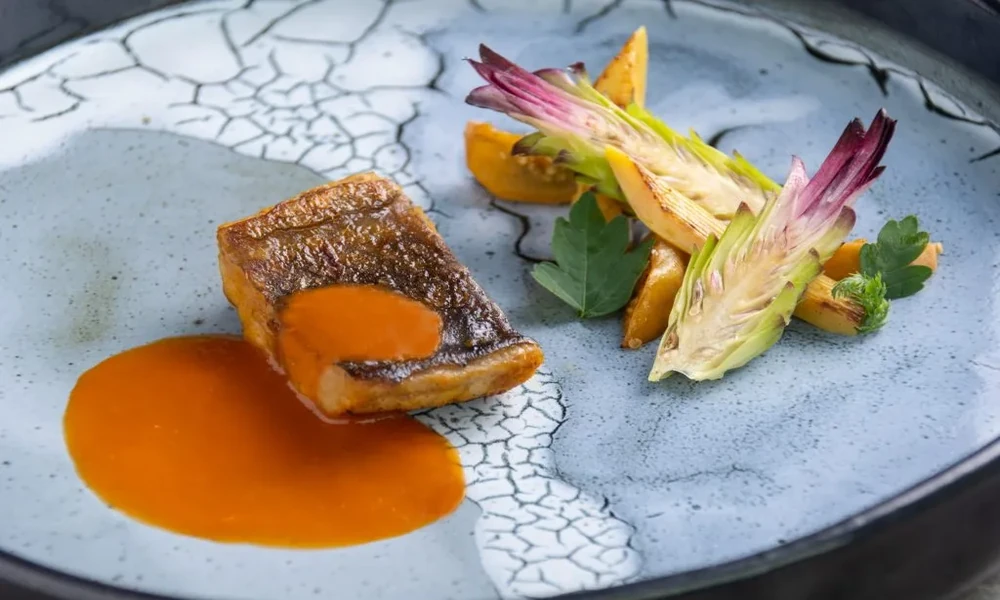
Thai cuisine carries history through herbs, heat, texture, and balance. Samrub Dining translates those traditions into contemporary culinary experiences. Each dish connects regional ingredients with refined preparation and thoughtful presentation. For diners exploring a bangkok fine dining menu restaurant, this approach offers more than visual sophistication. It reveals how inherited knowledge can guide innovation without losing cultural meaning. Traditional flavors remain central, while modern methods sharpen their expression.
Traditional Recipes Preserve Culinary Memory
At Samrub Samrub Thai, Chef Prin Polsuk researches forgotten dishes and handwritten recipes. Such work restores techniques that commercial kitchens may overlook. Regional cooking traditions carry distinct spice combinations, preservation methods, and serving customs. By studying these foundations, the kitchen protects knowledge while creating fresh interpretations for present-day diners.
Key influences include:
- Royal kitchens contributed intricate flavor balances.
- Isan cooking brings fermentation and earthy depth.
- Southern recipes introduce seafood and assertive spices.
- Family cookbooks preserve overlooked culinary methods.
Regional Ingredients Shape Modern Expressions
Thailand’s landscapes offer distinct culinary identities. Coastal communities contribute seafood and briny seasonings. Northern regions supply herbs, forest ingredients, and smoky flavors. A carefully researched bangkok fine dining menu restaurant can express these differences through ingredient selection and precise cooking. Samrub’s rotating menus draw inspiration from regional discoveries, allowing place to guide each dining experience.
Which Techniques Refine Authentic Thai Flavors?
Modern equipment matters when it serves flavor. Temperature control can protect delicate seafood from overcooking. Precise preparation also preserves aromatic herbs and balanced sauces. However, technical complexity alone cannot guarantee authenticity. Traditional pounding, fermentation, and seasoning remain essential because these processes create depth that presentation cannot replace.
- Mortars release essential oils from fresh aromatics.
- Fermentation develops savory complexity over time.
- Controlled cooking protects texture and natural sweetness.
- Careful seasoning maintains harmony between contrasting flavors.
Seasonal Menus Keep Heritage Alive
Seasonality connects culinary traditions with agricultural rhythms. Samrub Samrub Thai changes its tasting menu approximately every two months. Regional research informs those decisions, from Isan specialities to Southern Thai preparations. Such rotation encourages ingredient discovery without sacrificing cultural foundations. Fresh produce becomes a reason to revisit familiar recipes through a different regional lens.
What Makes Shared Dining Meaningful?
Thai samrap traditions bring rice and accompanying dishes together. This arrangement creates relationships between flavors across the table. A spicy preparation may balance a milder curry, while fresh herbs refresh the palate. At Samrub, intimate counter seating adds another dimension, connecting guests with culinary craft and the people preparing each dish.
From Forgotten Recipes to Future Tables
Samrub’s work suggests that culinary progress depends on preservation. A revived recipe gains relevance when modern preparation reveals its original purpose. Fermented ingredients, regional herbs, and shared rice dishes become more than historical references. Each carries knowledge about climate, agriculture, and community. Protecting those details keeps Thai gastronomy evolving without severing its roots.
FAQs
What distinguishes Samrub Samrub Thai?
The restaurant specializes in researched Thai recipes and seasonal tasting menus. Chef Prin Polsuk draws inspiration from regional traditions and lesser-known dishes.
Does the restaurant change its menu?
Yes, the tasting menu changes approximately every two months. Regional discoveries and seasonal ingredients influence each new selection.
Which Thai regions inspire its cooking?
Influences include Isan and Southern Thailand, among other regions. Each brings distinct ingredients, preservation methods, and flavor combinations.
Why combine traditional recipes with modern techniques?
Modern methods refine precision, texture, and presentation. Traditional knowledge preserves the distinctive flavors and cultural meaning of Thai cuisine.