Category

Food

Category

Key Highlights

  • Buffet setups accommodate a wide variety of dietary preferences and restrictions in a single service.
  • The self-service nature of a buffet encourages guests to mingle and interact more freely.
  • Professional caterers can scale buffet menus to suit both small office gatherings and massive gala events.
  • Modern buffet presentations offer a visual feast that enhances the overall aesthetic of any venue.
  • Efficient service allows guests to control their portion sizes and choose exactly what they want to eat.

Introduction

When planning a significant event, the choice of food service can determine the overall success and atmosphere of the gathering. Whether you are organising a high-stakes corporate seminar or a joyous family milestone, the logistics of feeding a large group require careful consideration. Buffet catering remains one of the most popular and effective choices for organisers because it strikes a perfect balance between variety and efficiency. Unlike sit-down plated meals, which can feel rigid and formal, a buffet offers a dynamic dining experience that caters to the diverse tastes of modern guests. It provides a sense of abundance and hospitality that is difficult to replicate with other service styles. By choosing a buffet, you ensure that every attendee finds something they enjoy, which ultimately leads to a more satisfied and engaged audience.

Catering to Diverse Dietary Needs

Nowadays, dietary requirements are more complex than ever before, with guests often needing gluten-free, vegetarian, or halal options. Managing these individual needs during a plated dinner can be a logistical nightmare for both the host and the kitchen staff. Buffet catering solves this problem by allowing for a broad spectrum of dishes to be presented simultaneously. Guests can clearly see the ingredients and choose the items that align with their specific health or religious requirements. This transparency reduces the risk of allergic reactions and ensures that no guest feels excluded from the meal. Providing a multi-course spread with various protein and vegetable options ensures that everyone, from the adventurous eater to the picky diner, leaves the event feeling full and appreciated.

Facilitating Networking and Social Interaction

Corporate events and celebrations are fundamentally about building relationships and fostering connections between people. A traditional sit-down meal limits a guest’s interaction to only those seated immediately next to them for the duration of the event. However, a buffet catering setup encourages movement and organic conversation as guests wait in line or explore the different food stations. This fluid movement is essential for networking sessions where the goal is to meet as many colleagues or clients as possible. The relaxed nature of a buffet breaks down social barriers and creates a more convivial atmosphere, making it much easier for guests to strike up a conversation over a shared interest in a particular dish. This social dynamic is often what makes an event memorable and productive.

Flexibility and Scalability

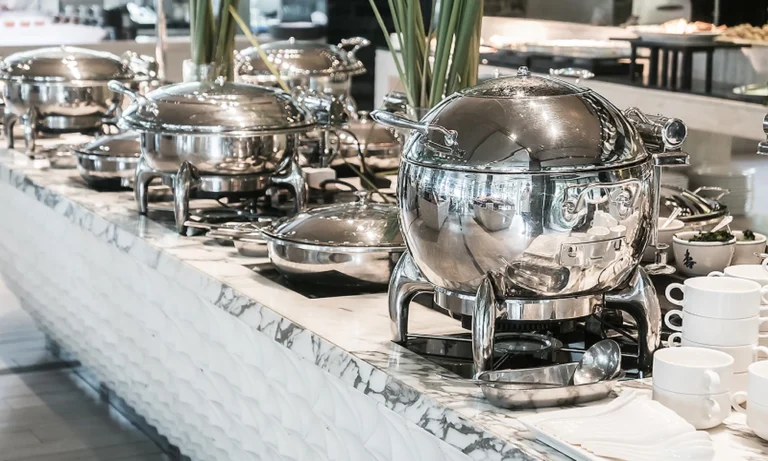
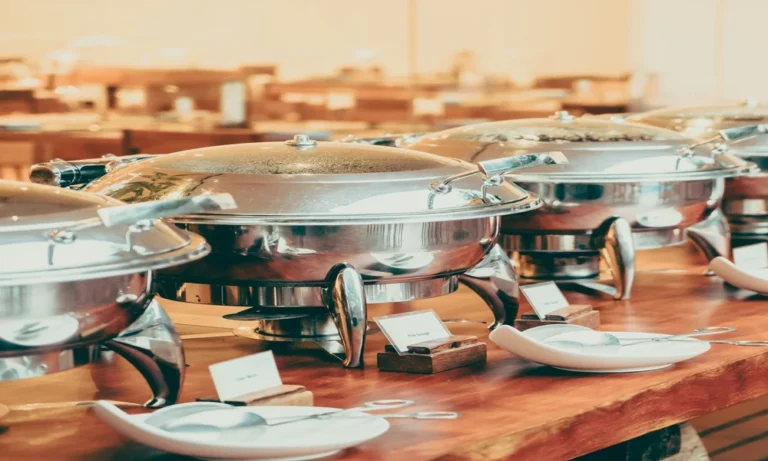
One of the greatest logistical advantages of a buffet is its inherent flexibility regarding guest counts and timing. Events often experience last-minute changes, such as unexpected attendees or shifts in the programme schedule. A catering service is much more forgiving of these fluctuations than a structured course-by-course service. The food can be kept warm in professional chafing dishes for an extended period, allowing guests to eat at their own pace if the event runs late. Additionally, the service is highly scalable; you can easily add more dishes or stations to accommodate hundreds of people without significantly increasing the number of service staff required. This efficiency makes it a cost-effective solution for large-scale celebrations where budget management is a high priority for the organiser.

Visual Impact and Menu Variety

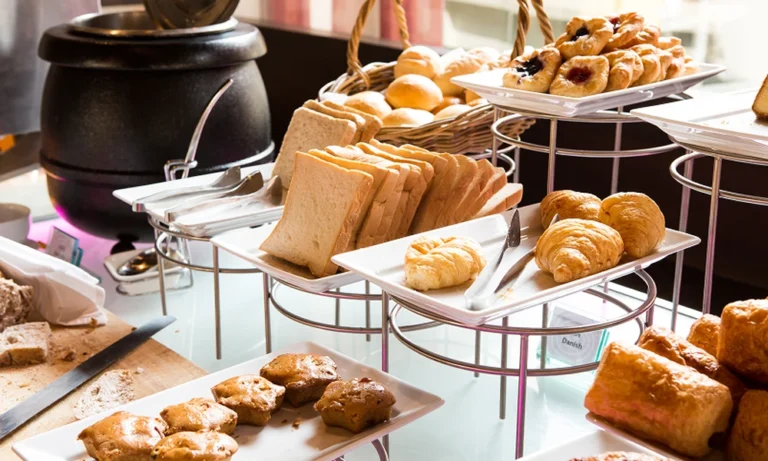
A well-executed buffet is a central piece of the event’s decor. Professional caterers spend significant time arranging dishes to create a visual spectacle using height, colour, and texture. This factor sets the tone for the celebration the moment guests enter the dining area. Furthermore, the variety inherent in buffet catering allows you to showcase different cuisines or themes in a single event. You might choose to feature a mix of local heritage dishes alongside international favourites, giving your guests a culinary journey. This diversity keeps the dining experience exciting and prevents the monotony that can sometimes occur with a single-choice menu. The ability to sample small portions of many different flavours is something that most guests find highly appealing and luxurious.

Conclusion

The enduring popularity of the buffet style is a testament to its practical benefits and its ability to enhance the guest experience. By offering unparalleled variety, fostering social interaction, and providing logistical flexibility, buffet catering stands out as the premier choice for any large-scale gathering. It removes the stress of managing individual dietary requests while providing a grand visual display that delights the senses. Whether you are hosting a formal awards ceremony or a casual office party, a buffet provides the necessary structure and freedom to ensure a successful outcome. Investing in a professional buffet service is a guaranteed way to make your corporate event or celebration both seamless and highly enjoyable for everyone involved.

If you are ready to impress your guests with a spectacular spread at your next event, contact Select Catering to view our comprehensive buffet menus.

You want one place that solves dinner, drinks, and a relaxed night out. You also want something that feels local, not generic. I spend time studying Bozeman’s food and drink scene, weighing menus, consistency, and value against what you actually get on the table. That is the filter I use to help you make quick, smart choices.

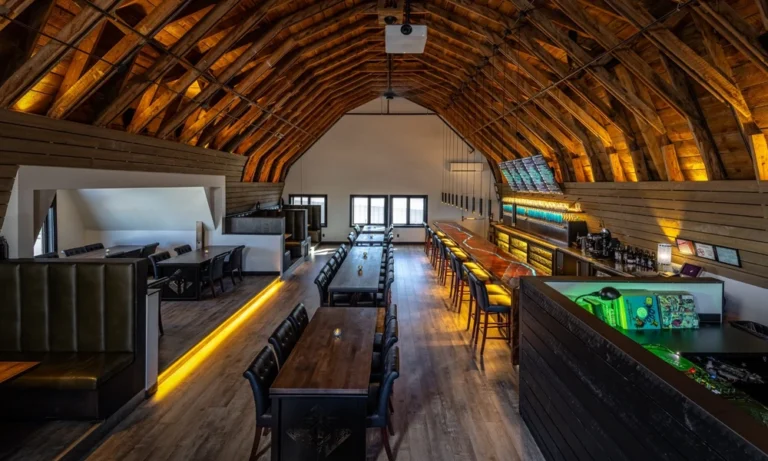
If you want one place to start, Hop Lounge deserves a top spot on your list. They focus on three things that count in Bozeman right now: Montana beer, fire-roasted rotisserie chicken, and a vinyl-driven atmosphere that feels welcoming without trying too hard.

Here is how to size them up and get the most out of your visit.

Why Hop Lounge Belongs on Your Shortlist

Hop Lounge builds around a clear idea. Beer, chicken, and vinyl. That focus shows in the details.

  • Montana-made beer takes center stage with 50 rotating taps and a deep packaged list
  • The kitchen centers on fresh fire-roasted rotisserie chicken with no freezers or microwaves
  • The soundtrack comes from vinyl on Technics 1200 MK7 turntables, which sets the tone for the room

This mix is rare in Bozeman. Many places do beer or food well. Fewer places give equal weight to both, and even fewer add a music program that feels intentional.

If you want range and choice, they make it easy. The tap list spans crisp lagers, classic West Coast IPAs, hazies, stouts including nitro pours, pale ales, reds, Scotch styles, Belgian and wheat options, sours, and a steady set of ciders and fruited options. Their list has featured beers like Magic Hobo Monkey, Hopslam Ale, Katabatic IPA, Obsidian Stout, Grazing Clouds, and Snowed In Coconut Porter. Do not chase a single label. Expect rotation and discovery.

How to Navigate the 50-Tap Board Without Guesswork

Big beer lists can stall your order. Here is a simple way to get moving.

1. Define your lane first. Tell the bartender if you want crisp, bitter, juicy, roasty, or tart.

2. Start with a half pour if you want to test, then step up to a full pour once you land on a winner.

3. Stay open to Montana breweries you do not know. That is the point here.

4. Balance your pick with your food. Bitter and spicy play well together. Malty and rich work with creamy sides.

I suggest you pick your beer before you order food. It sets the tone and makes pairing easier.

What to Order From the Kitchen

You do not need a long menu to eat well here. The chicken program carries the meal.

  • Combos: Quarter, half, or shredded chicken over rice with sides and a drink. Simple, fast, and hot.
  • Sandwiches: Chicken melt, BBQ bacon melt, ranch bacon melt, Carolina pulled chicken, and a breaded chicken breast option.
  • Sliders: Served on King’s Hawaiian rolls with dipping sauces.
  • Tacos: Tinga-style chicken with bright, layered flavor.
  • Shareables: Loaded frychos and nachos with chicken, bacon, jalapeños, and cheese.
  • Sides: Fries or Cajun fries, white rice, baked beans, mac and cheese, crack mac with bacon and honey, vinegar slaw, and side salads.
  • Wings and bites: Breaded chicken wings and hopcorn chicken for snacking or sharing.
  • Family packs: Whole, double, or triple chicken meals with sides and sauces for group plans.

Their sauce set is wide. You can stay sweet, tangy, smoky, or hot. Try a mix-and-match approach to get range at the table. Good starting points include Carolina BBQ for zip, jalapeño garlic for a kick, and honey chipotle for balanced heat and sweet.

Smart Pairings That Work

If you want easy matches, use these as a guide.

  • Spicy BBQ or mango habanero with a classic West Coast IPA
  • Breaded chicken with a crisp pilsner or Mexican lager
  • Mac and cheese or crack mac with a nitro stout or a smooth porter
  • Tinga tacos with a hazy IPA for tropical notes
  • Vinegar slaw and fries with a clean kölsch or Italian pilsner
  • Tangy sauces with a bright wheat beer or a citrusy pale ale
  • Smoky BBQ with a malty red or Scotch style

Keep it simple. Pick one bold flavor and let your drink support it.

For Wine and Cider Drinkers

If beer is not your plan, you still have strong choices. The wine list pulls in balanced bottles like Pinot Grigio, Chardonnay, Sauvignon Blanc, Pinot Noir, Malbec, and Cabernet Sauvignon. You can cover light chicken dishes with whites and match richer sandwiches with reds.

Cider fans can look for options that have included Montana Original Semi-sweet, Blackcurrant cider, and rotating fruited picks. These pair well with spicy sauces and fried sides.

When to Visit and How to Plan

You can improve your visit with timing and a short plan.

  • Peak hours bring energy and a wait. If you want a calm seat, aim for lunch or earlier evening.
  • Check current hours and the latest tap list before you leave. Rotation moves fast.
  • If you bring a group, use family packs and shareable sides. It keeps the table focused and cuts wait time.
  • If you have food needs, read the menu and ask about ingredients and prep. The staff can guide you.
  • Set a simple budget. Combos and sliders keep costs tight without cutting flavor.

I suggest you pick a target style for beer before you arrive, choose a chicken format that fits your hunger, then add two sauces that contrast each other. That plan gives you a full taste of what they do.

Why Choose Hop Lounge Over Other Options

Three reasons stand out.

  • Depth of Montana beer: The tap and packaged range makes discovery easy, which matters if you want to learn what the state is brewing now.
  • Fresh rotisserie focus: Chicken prepared fresh and served fast sets a strong base that works for solo diners, couples, and groups.
  • Vinyl-driven room: The music is not decoration. It shapes the feel and makes the space distinct without turning it into a scene.

If you value selection, speed, and a relaxed tone, this mix is hard to beat.

Final Tips From a Local

Here is the short list I give friends who ask for one spot that covers it all.

  • Start with a lager or a pale ale if you want a safe first pour
  • Try one sauce you know and one you do not
  • Use sides to balance heat and richness
  • Keep your first visit broad rather than deep. Try variety across styles and sauces
  • Leave room for one more pour. Rotation often includes a surprise that fits your taste

Pick a night, make a simple plan, and enjoy the balance that Hop Lounge offers. You will get a clear view of why locals keep it on the shortlist for food, drink, and a laid-back setting that feels like Bozeman right now.

Guests notice the food on the table. They rarely think about everything that happened before the kitchen opened. Fresh vegetables have already been checked, frozen products moved into storage, seafood inspected, and ingredients arranged for the day’s preparation. Behind that routine sits a purchasing system that many restaurants depend on. Choosing dependable restaurant food service suppliers is less about placing orders and more about keeping that routine uninterrupted from one service to the next.

Most kitchens only realise how important a supplier is when something arrives late, incomplete, or below the expected quality.

Ordering Habits Change As A Business Grows

A newly opened café often buys differently from an established restaurant.

In the beginning, smaller orders help avoid unnecessary waste. As customer numbers become more predictable, purchasing usually shifts toward scheduled deliveries and larger quantities. Hotels, catering companies, and restaurants serving hundreds of meals each day often follow entirely different ordering patterns because storage capacity, menu size, and production volume all influence what needs to be purchased.

The supplier has to adjust alongside the business instead of expecting every customer to follow the same process.

Busy Kitchens Leave Little Room For Delays

Preparation begins long before customers arrive.

Vegetables are washed and portioned. Meat is prepared. Sauces, soups, and desserts are often completed hours before the first order reaches the kitchen.

If an important delivery is delayed, chefs rarely have the luxury of waiting. They may need to replace ingredients, adjust production schedules, or temporarily remove menu items until stock arrives. Even a small shortage can affect several dishes when the same ingredient appears across multiple recipes.

Reliable deliveries quietly protect the workflow that customers never see.

Stock Rooms Tell Their Own Story

Walk into the storage area of a well organised restaurant and there is usually a clear system behind it.

Frequently used ingredients remain easy to access. Frozen products are separated correctly. Dry goods are labelled and rotated. Refrigerated items are stored according to food safety practices.

This organisation becomes much easier when deliveries arrive consistently and products match what was ordered. Unexpected substitutions or inconsistent quality create additional work before cooking even begins.

Good supply management often starts with receiving the right products the first time.

More Choice Does Not Always Mean Better Purchasing

Having access to a wide catalogue is useful, but kitchens also value suppliers that understand commercial food operations.

A purchasing list may regularly include:

Ordering these categories through one supplier can simplify inventory management, reduce paperwork, and create more predictable delivery schedules. Instead of coordinating several separate vendors, purchasing teams can focus on managing stock levels and planning future orders.

Building A Reliable Kitchen Starts With Reliable Supply

Selecting restaurant food service suppliers is ultimately an operational decision rather than simply a purchasing task. Every delivery influences food preparation, inventory management, menu planning, and the pace of service throughout the day.

Restaurants that evaluate suppliers based on consistency, product quality, delivery performance, and long term reliability are often better prepared to manage changing demand without disrupting daily operations. While customers remember the meal they enjoyed, the kitchen remembers whether everything it needed was ready before the first order was placed.

A halal mini buffet in Singapore is the catering format that makes small gatherings feel genuinely special without the logistical complexity and cost of a full buffet spread. Whether you are hosting a birthday celebration, a Hari Raya open house, a small office gathering, or an intimate family event, a well-curated mini buffet delivers variety, visual impact, and the communal pleasure of shared food in a format scaled precisely for the number of guests you are hosting.

What Defines a Mini Buffet

A mini buffet occupies the space between a packed lunch delivery and a full-scale catering spread. It typically serves between 10 and 40 guests with a selection of four to eight dishes, often including a rice or noodle main, two to three protein-based dishes, a vegetable accompaniment, and a condiment selection. Some packages include desserts, bread, and drinks.

The defining characteristics of a mini buffet are its self-service format – allowing guests to help themselves at their own pace – and its ability to cater for variety in a relatively compact presentation. For the host, it eliminates the labour of plating individual meals while creating a relaxed, convivial atmosphere that encourages guests to interact around the food.

Occasions That Call for a Halal Mini Buffet

Halal mini buffet Singapore services are designed for the full range of occasions that fall below the scale of a formal event but above the informality of a home-cooked meal. Common occasions include:

  • Birthday celebrations: A mini buffet for 20 to 40 guests provides enough variety to satisfy different tastes without overwhelming the host’s organisational capacity
  • Family gatherings and open houses: The self-service format is well suited to the casual, drop-in flow of a traditional open house
  • Baby showers and solemnisation receptions: Intimate ceremonies where a seated dinner would feel too formal but a catered buffet creates the appropriate celebratory atmosphere
  • Office lunches and team events: The halal certification ensures that all Muslim colleagues can participate without concern
  • Kenduri and religious observances: Traditional Malay celebrations that centre food as an expression of gratitude and community

The Halal Standard in Mini Buffet Catering

For Muslim hosts and their guests, the halal certification of a catering service is non-negotiable. When inviting Muslim guests to an event, serving food that does not meet halal standards – even inadvertently – is a serious breach of hospitality and trust.

A certified halal mini buffet in Singapore operates under MUIS certification, which covers every ingredient in every dish, the production environment, the equipment used, and the handling procedures throughout the catering process. This certification can be verified by guests through the MUIS portal, providing an independent assurance that goes beyond the caterer’s own claims.

For non-Muslim hosts who want to ensure that their Muslim colleagues, clients, or guests can eat freely and comfortably, engaging a MUIS-certified halal catering service is the responsible and considerate choice.

Choosing Your Menu for Maximum Satisfaction

The menu selection for a mini buffet shapes the entire dining experience. A well-chosen selection balances familiar favourites that guests reliably enjoy with enough variety to accommodate different tastes and preferences.

For a typical halal mini buffet in Singapore, a popular menu structure might include:

  • Fragrant nasi tomato or biryani rice as the main carbohydrate base
  • Ayam masak merah or chicken rendang as a classic protein anchor
  • Sambal fish or sotong masak hitam for guests who prefer seafood
  • Sayur lodeh or acar as a vegetable accompaniment
  • Papadum or serunding as a condiment accompaniment
  • Bubur kacang or onde-onde as a traditional dessert option

This kind of menu creates a cohesive, flavour-consistent spread that feels like a curated meal rather than a random collection of dishes.

As President Tharman Shanmugaratnam has observed about Singapore’s multicultural food heritage, “Food is one of the threads that weaves Singapore’s communities together. When we share a meal, we share something deeper than sustenance.” A halal mini buffet that draws on the richness of Singapore’s food traditions honours that shared heritage in the most direct way possible.

Logistics of Mini Buffet Delivery and Setup

One of the practical advantages of a professionally managed mini buffet service is that the caterer handles most of the logistical complexity. Standard service typically includes:

  • Delivery of all food in appropriate transport equipment to maintain temperature and safety
  • Setup of chafing dishes or serving trays with appropriate heating elements
  • Provision of serving utensils, napkins, and basic crockery and cutlery
  • Delivery to the venue within an agreed time window before the event
  • Collection of equipment after the event in some service packages

Confirming these logistics with your caterer in advance – including access arrangements for the delivery team and setup area requirements – prevents last-minute complications on the day of the event.

Pricing and Value in Mini Buffet Catering

Mini buffet pricing in Singapore is typically quoted per pax, with the per-person cost decreasing as the guest count increases due to economies of scale in preparation and delivery. For events below fifteen guests, some caterers apply a minimum order value to cover the setup and delivery costs for smaller orders.

When evaluating pricing, consider the full cost including delivery, setup, equipment, and any additional items such as drinks or desserts that may be priced separately. A comprehensive quote that makes all costs clear upfront is a sign of a transparent and professionally run service.

Making Your Halal Mini Buffet Event Memorable

The food itself is the centrepiece, but several additional considerations make a mini buffet event more polished and enjoyable for guests:

  • Label each dish clearly, including allergen information for guests with specific requirements
  • Position the buffet in a location that allows guests to queue without creating a bottleneck
  • Ensure serving utensils are changed or cleaned regularly throughout the event
  • Keep hot dishes heated and cold dishes chilled throughout the serving period

For a small gathering or celebration where every detail counts, a well-planned halal mini buffet Singapore spread is the catering choice that creates the convivial atmosphere and genuine culinary satisfaction that make an event truly memorable.