Category

Baking

Category

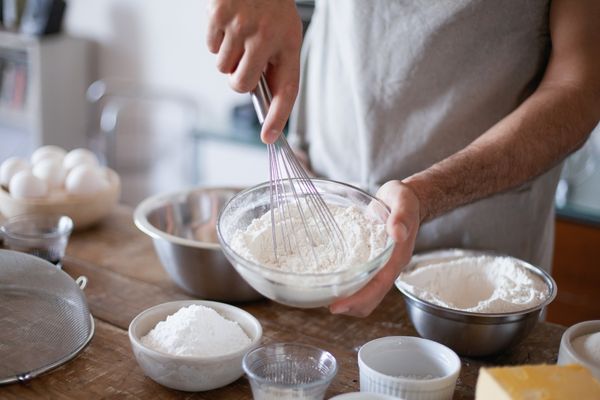
Baking often appears intimidating to beginners, particularly when professional kitchens and specialized tools dominate social media imagery. However, in Charlotte, aspiring bakers can develop confidence and skill without investing in expensive equipment. Successful baking depends more on understanding fundamental principles than on owning high-end appliances.

With careful preparation, attention to detail, and practical techniques, beginners in Charlotte can achieve consistent and satisfying results.

Understanding the Essentials of Baking

Before purchasing specialized tools, it is important to recognize that baking is rooted in simple science. Precision, temperature control, and ingredient balance are the core foundations of successful outcomes.

In Charlotte kitchens, beginners should focus on:

  • Accurate Measurement: Use standard measuring cups and spoons rather than estimating quantities.
  • Room Temperature Ingredients: Butter, eggs, and dairy blend more effectively when not cold.
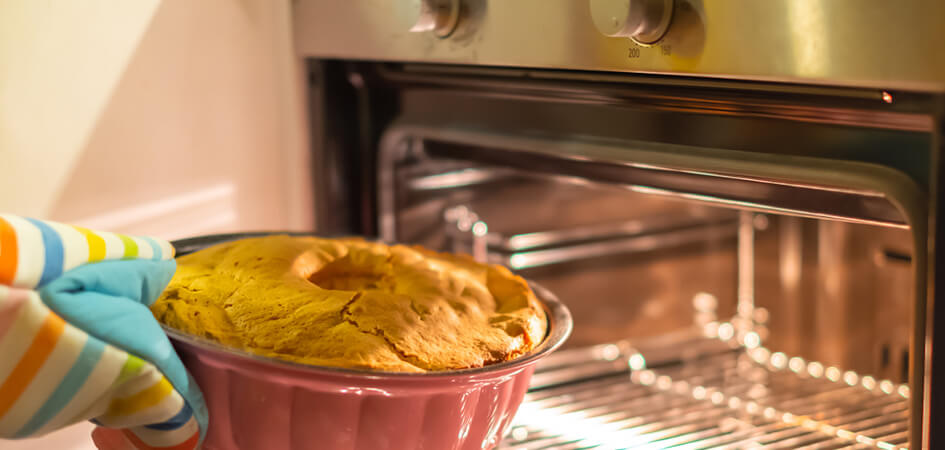
  • Preheating the Oven: Allow the oven to reach the correct temperature before placing baked goods inside.
  • Following Instructions Carefully: Small deviations can significantly affect texture and structure.

Mastering these basics builds confidence more effectively than acquiring complex tools.

Basic Tools Every Beginner Needs

Charlotte beginners can start baking with minimal, affordable equipment. The following items are sufficient for most foundational recipes:

  • Mixing bowls (various sizes)
  • A sturdy whisk
  • A wooden spoon or silicone spatula
  • Measuring cups and spoons
  • A basic hand mixer (optional but helpful)
  • Baking trays or cake pans
  • Parchment paper
  • An oven thermometer for accuracy

These simple tools enable the preparation of cakes, cookies, muffins, and quick breads without complication. Even without a stand mixer, manual mixing techniques can produce excellent results.

Developing Skill Through Simple Recipes

Confidence grows through repetition and gradual progression. In Charlotte, beginners should start with forgiving recipes that allow room for minor errors.

Ideal beginner recipes include:

  • Simple vanilla cupcakes
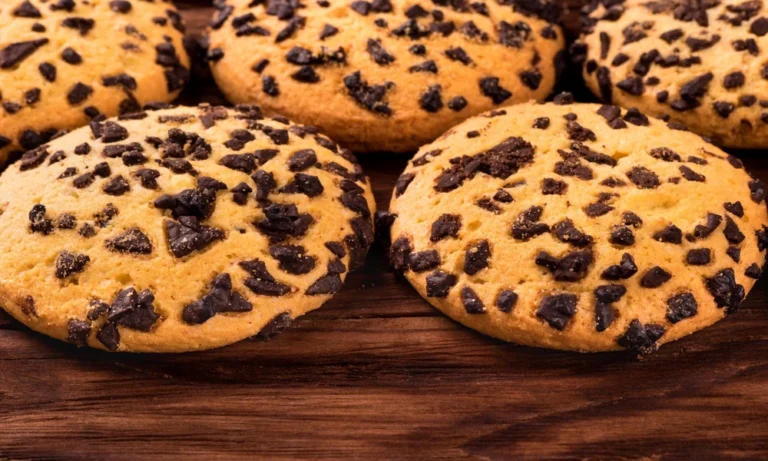
  • Chocolate chip cookies
  • Banana bread
  • Basic sponge cake
  • Classic brownies

These baked goods rely on straightforward techniques such as creaming butter and sugar, folding dry ingredients, and monitoring baking time. Success with these recipes reinforces foundational skills and reduces fear of failure.

Overcoming Common Beginner Challenges

Many baking mistakes stem from impatience or misunderstanding rather than inadequate equipment. Beginners in Charlotte can improve by addressing common issues:

  • Overmixing Batter: This can result in dense textures. Mix only until ingredients are combined.
  • Incorrect Oven Temperature: Household ovens may vary; using an oven thermometer ensures accuracy.
  • Opening the Oven Door Too Early: This causes temperature fluctuations and uneven rising.
  • Ignoring Cooling Time: Proper cooling helps the structure set and improves the final texture.

Recognizing these pitfalls allows beginners to troubleshoot effectively and build practical knowledge with each attempt.

Building Confidence Through Consistency

In Charlotte, baking confidence develops through consistency rather than complexity. Repeating the same recipe several times provides insight into texture, aroma, and visual cues. Over time, beginners learn to:

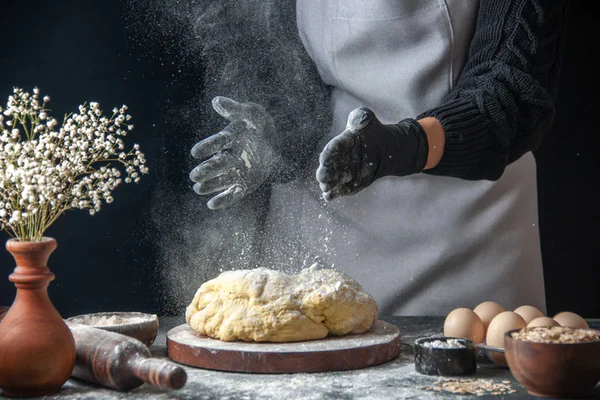
  • Identify when the dough is properly kneaded
  • Recognize ideal batter thickness
  • Understand visual signs of doneness
  • Adjust baking time based on pan size

Keeping a simple baking journal can also be helpful. Recording ingredient quantities, oven temperatures, and outcomes allows beginners to refine techniques systematically.

Embracing Simplicity Over Perfection

Beginners in Charlotte need to understand that a professional presentation is not the initial goal. Early focus should remain on:

Decorative techniques and specialty equipment can be explored later. Confidence grows when beginners celebrate small improvements rather than striving for flawless results.

Final Statement

Baking confidence in Charlotte does not require expensive mixers or professional-grade tools. By mastering fundamental techniques, using basic equipment, and practicing simple recipes consistently, beginners can achieve dependable results. With patience and structured learning, home bakers gradually transform uncertainty into competence, making baking both accessible and rewarding without the need for fancy equipment.

Baking is often described as a culinary art, yet it is fundamentally a science. Achieving perfect consistency requires precision, control, and an understanding of chemical and physical reactions. In Nashville’s thriving food scene, where bakeries and cafés compete for excellence, maintaining consistent quality is essential for customer trust and brand reputation. Behind every perfectly risen loaf or evenly textured cake lies a carefully managed scientific process.

The Role of Accurate Measurement

Precision is the cornerstone of consistent baking results. Unlike savory cooking, baking depends on exact ratios to produce reliable outcomes.

Key considerations include:

  • Weight over volume: Professional bakeries in Nashville rely on digital scales to measure flour, sugar, and fats accurately. Weight measurements reduce variability caused by ingredient compaction.
  • Ingredient ratios: The balance between flour, liquid, fat, and leavening agents determines texture and structure.
  • Standardized recipes: Establishing detailed formulations ensures repeatable results across different batches and staff members.

Small deviations can significantly alter texture, moisture, and flavor, especially in high-volume bakery operations throughout Nashville.

Understanding Ingredient Functionality

Each ingredient in a baked product performs a specific role. Consistency depends on understanding how these components interact.

Core functional elements:

  • Flour: Provides structure through gluten formation when combined with water and agitation.
  • Leavening agents: Baking powder and baking soda release gases that create rise and lightness.
  • Fats: Butter or oil tenderizes the crumb and contributes to moisture retention.
  • Sugars: Enhance flavor, aid browning through caramelization, and influence moisture levels.
  • Eggs: Act as emulsifiers, bind ingredients, and add structural strength.

In Nashville’s humid climate, even flour can absorb environmental moisture differently, subtly affecting dough hydration and final texture.

Temperature Control and Its Impact

Temperature plays a critical role at every stage of baking. From ingredient preparation to oven performance, thermal precision ensures stability.

Temperature-related factors include:

  • Room temperature ingredients: Butter and eggs mix more uniformly when not overly cold.
  • Dough fermentation: Yeast activity increases in warm environments, affecting proofing times.
  • Oven calibration: Professional kitchens in Nashville routinely calibrate ovens to avoid uneven baking or inconsistent browning.

Even a slight fluctuation in oven temperature can lead to underbaked centers or overbrowned crusts, disrupting product uniformity.

Mixing Techniques and Gluten Development

The way ingredients are combined influences texture and structure. Overmixing and undermixing both create inconsistencies.

Mixing principles:

  • Creaming method: Incorporates air into butter and sugar, promoting light texture.
  • Folding technique: Prevents deflation in delicate batters.
  • Kneading control: Develops gluten networks necessary for bread structure without making it tough.

Nashville bakeries that prioritize staff training in mixing techniques often achieve superior consistency across different shifts and production cycles.

Moisture Management and Environmental Factors

Environmental conditions significantly affect baking outcomes. Humidity, in particular, influences ingredient behavior.

Environmental considerations:

  • Humidity control: High humidity in Nashville can increase moisture absorption in dry ingredients.
  • Storage conditions: Airtight storage prevents ingredient degradation.
  • Batch timing: Limiting exposure time of batters and dough reduces inconsistency.

Managing environmental variables helps ensure that a chocolate cake baked on a rainy Nashville afternoon matches the quality of one prepared on a dry winter morning.

Quality Control and Standardization

Consistency is not accidental; it is the result of deliberate quality control measures.

Best practices include:

  • Batch testing: Sampling products regularly to monitor flavor and texture.
  • Documentation: Recording temperature, timing, and ingredient variations.
  • Supplier consistency: Sourcing ingredients from reliable Nashville distributors to maintain uniform quality.

Through structured monitoring and process control, bakeries can maintain product standards regardless of seasonal or staffing changes.

Takeaway

Perfect baking consistency is achieved through scientific precision, controlled variables, and disciplined technique. In Nashville’s competitive culinary environment, success depends on mastering measurement, temperature, ingredient functionality, and environmental management.

By combining scientific understanding with operational discipline, bakeries can consistently deliver products that meet high expectations and build lasting customer confidence.

In many professional and home kitchens across Austin, baking success is often judged by flavor alone. However, texture frequently determines whether a dessert feels refined or disappointing. A cake may taste pleasant, yet if it is dense instead of airy or crumbly instead of tender, the overall experience suffers.

Understanding how certain baking mistakes influence texture more than taste is essential for achieving consistent results in Austin’s diverse culinary environment.

The Importance of Texture in Baking

Texture shapes the sensory experience of baked goods. In Austin’s competitive bakery scene, customers expect:

  • Light, airy cakes
  • Soft yet structured cookies
  • Flaky pastries with defined layers
  • Moist quick breads without gumminess

While flavor can sometimes mask minor imperfections, texture flaws are immediately noticeable. The following mistakes often alter structure without drastically changing taste.

Incorrect Measuring Techniques

Precise measurement is foundational to baking chemistry. In Austin kitchens, where humidity levels can fluctuate, measurement accuracy becomes even more critical.

Common measuring errors include:

  • Scooping flour directly with a measuring cup instead of spooning and leveling
  • Packing flour too tightly
  • Misjudging liquid quantities at incorrect eye level

Excess flour results in:

  • Dense, dry cakes
  • Tough cookies
  • Crumbly muffins

Too little flour can cause the following:

  • Flat, overly soft baked goods
  • Structural collapse

Though flavor may remain similar, the mouthfeel changes significantly.

Overmixing the Batter or Dough

Overmixing is one of the most common texture-related mistakes observed in both home kitchens and small bakeries in Austin.

When flour is combined with liquid, gluten develops. Excessive mixing:

  • Strengthens gluten strands
  • Creates elasticity
  • Reduces tenderness

This often leads to:

  • Tough cakes
  • Chewy muffins
  • Dense quick breads

While taste may not be noticeably affected, the expected softness disappears. For delicate baked goods, mixing until ingredients are just combined preserves a tender crumb.

Improper Oven Temperature Control

Austin’s warm climate can influence kitchen conditions, but oven calibration remains critical.

Texture problems often arise from:

  • Baking at temperatures higher than recommended
  • Frequently opening the oven door
  • Using uncalibrated ovens

High heat can cause:

  • Rapid exterior browning with undercooked centers
  • Cracked cake tops
  • Overly firm crusts

Low heat may result in:

  • Pale, dry textures
  • Poor rise
  • Heavy crumb structure

Even if flavor remains balanced, uneven baking produces undesirable consistency.

Ignoring Ingredient Temperature

Ingredient temperature significantly impacts texture, particularly in Austin households where room temperature may exceed typical recipe assumptions.

Common mistakes include:

  • Using cold butter in creaming methods
  • Adding cold eggs to room-temperature batter
  • Melting butter when it should be softened

Consequences often include:

  • Poor aeration
  • Uneven crumb structure
  • Greasy or separated batter

Room-temperature ingredients incorporate air more effectively, producing light and uniform baked goods. Incorrect temperatures compromise structure without altering core taste.

Substituting Ingredients Improperly

Austin’s health-conscious baking trends often encourage substitutions. While flavor may remain appealing, texture can suffer.

Examples include:

  • Replacing butter with oil without adjusting ratios
  • Using whole wheat flour without additional hydration
  • Substituting sugar alternatives without structural compensation

These changes may lead to:

  • Dry or dense cakes
  • Excess moisture retention
  • Crumbly consistency

Understanding the structural role of each ingredient prevents textural imbalances.

Overbaking or Underbaking

Timing directly affects moisture content and structural integrity.

Overbaking causes:

Underbaking results in:

In Austin bakeries where high turnover demands efficiency, close attention to baking time ensures optimal texture.

Bottom Line

In Austin’s dynamic baking landscape, mastering texture is just as important as perfecting flavor. Many baking mistakes, whether related to measurement, mixing, temperature, or substitutions, primarily affect structure rather than taste. By understanding how these errors influence crumb, moisture, and density, bakers can produce consistently refined results that meet both aesthetic and sensory expectations.