
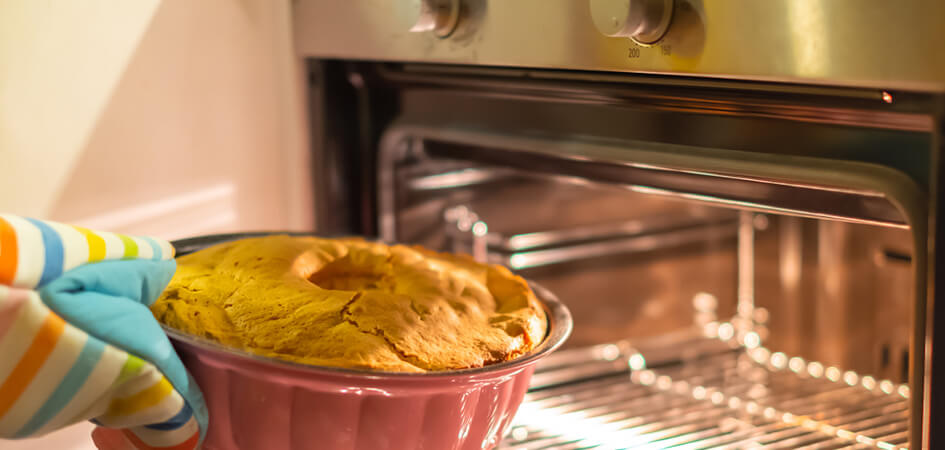
In many professional and home kitchens across Austin, baking success is often judged by flavor alone. However, texture frequently determines whether a dessert feels refined or disappointing. A cake may taste pleasant, yet if it is dense instead of airy or crumbly instead of tender, the overall experience suffers.
Understanding how certain baking mistakes influence texture more than taste is essential for achieving consistent results in Austin’s diverse culinary environment.
The Importance of Texture in Baking
Texture shapes the sensory experience of baked goods. In Austin’s competitive bakery scene, customers expect:
- Light, airy cakes
- Soft yet structured cookies
- Flaky pastries with defined layers
- Moist quick breads without gumminess
While flavor can sometimes mask minor imperfections, texture flaws are immediately noticeable. The following mistakes often alter structure without drastically changing taste.
Incorrect Measuring Techniques
Precise measurement is foundational to baking chemistry. In Austin kitchens, where humidity levels can fluctuate, measurement accuracy becomes even more critical.
Common measuring errors include:
- Scooping flour directly with a measuring cup instead of spooning and leveling
- Packing flour too tightly
- Misjudging liquid quantities at incorrect eye level
Excess flour results in:
- Dense, dry cakes
- Tough cookies
- Crumbly muffins
Too little flour can cause the following:
- Flat, overly soft baked goods
- Structural collapse
Though flavor may remain similar, the mouthfeel changes significantly.
Overmixing the Batter or Dough
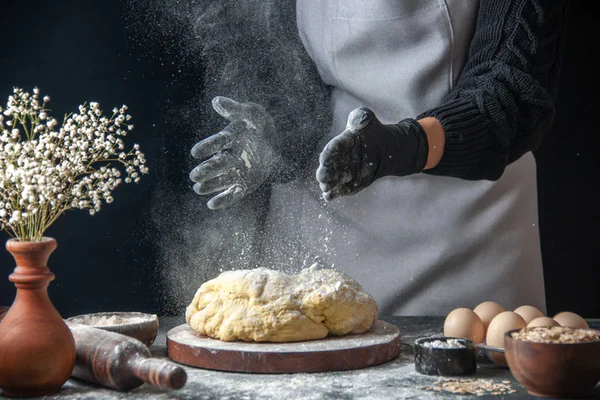
Overmixing is one of the most common texture-related mistakes observed in both home kitchens and small bakeries in Austin.
When flour is combined with liquid, gluten develops. Excessive mixing:
- Strengthens gluten strands
- Creates elasticity
- Reduces tenderness
This often leads to:
- Tough cakes
- Chewy muffins
- Dense quick breads
While taste may not be noticeably affected, the expected softness disappears. For delicate baked goods, mixing until ingredients are just combined preserves a tender crumb.
Improper Oven Temperature Control
Austin’s warm climate can influence kitchen conditions, but oven calibration remains critical.
Texture problems often arise from:
- Baking at temperatures higher than recommended
- Frequently opening the oven door
- Using uncalibrated ovens
High heat can cause:
- Rapid exterior browning with undercooked centers
- Cracked cake tops
- Overly firm crusts
Low heat may result in:
- Pale, dry textures
- Poor rise
- Heavy crumb structure
Even if flavor remains balanced, uneven baking produces undesirable consistency.
Ignoring Ingredient Temperature
Ingredient temperature significantly impacts texture, particularly in Austin households where room temperature may exceed typical recipe assumptions.
Common mistakes include:
- Using cold butter in creaming methods
- Adding cold eggs to room-temperature batter
- Melting butter when it should be softened
Consequences often include:
- Poor aeration
- Uneven crumb structure
- Greasy or separated batter
Room-temperature ingredients incorporate air more effectively, producing light and uniform baked goods. Incorrect temperatures compromise structure without altering core taste.
Substituting Ingredients Improperly
Austin’s health-conscious baking trends often encourage substitutions. While flavor may remain appealing, texture can suffer.
Examples include:
- Replacing butter with oil without adjusting ratios
- Using whole wheat flour without additional hydration
- Substituting sugar alternatives without structural compensation
These changes may lead to:
- Dry or dense cakes
- Excess moisture retention
- Crumbly consistency
Understanding the structural role of each ingredient prevents textural imbalances.
Overbaking or Underbaking
Timing directly affects moisture content and structural integrity.
Overbaking causes:
Underbaking results in:
In Austin bakeries where high turnover demands efficiency, close attention to baking time ensures optimal texture.
Bottom Line
In Austin’s dynamic baking landscape, mastering texture is just as important as perfecting flavor. Many baking mistakes, whether related to measurement, mixing, temperature, or substitutions, primarily affect structure rather than taste. By understanding how these errors influence crumb, moisture, and density, bakers can produce consistently refined results that meet both aesthetic and sensory expectations.