
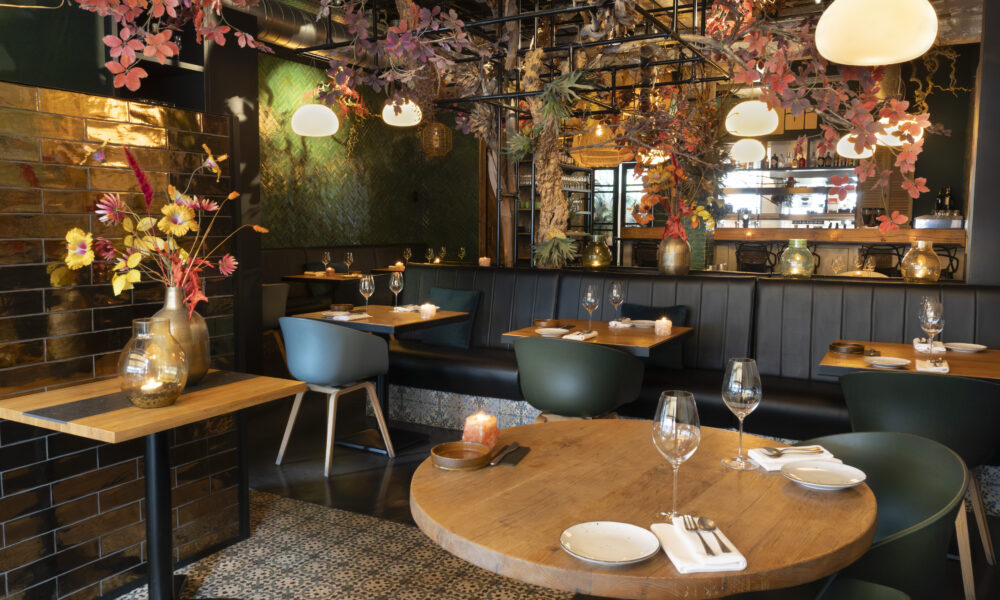
Dining is not solely about taste; it is a multisensory experience shaped by environment, service, and emotional context. In Denver, where culinary diversity reflects both urban sophistication and mountain charm, the restaurant atmosphere plays a defining role in how guests perceive flavor, quality, and overall satisfaction.
From lighting and music to interior design and service style, each atmospheric element influences the dining experience in subtle yet powerful ways.
The Psychology Behind Restaurant Atmosphere
Scientific research consistently shows that environmental cues shape perception. In Denver’s competitive dining scene, restaurants carefully curate their atmosphere to enhance customer engagement and brand identity.
Key psychological influences include:
- Mood Enhancement: Warm lighting and inviting décor can elevate mood, making dishes appear more enjoyable.
- Expectation Setting: A refined setting signals premium quality, influencing diners to perceive food as more flavorful and valuable.
- Emotional Memory: A well-designed environment creates lasting impressions, encouraging repeat visits in Denver’s vibrant food districts.
Lighting and Visual Presentation
Lighting is one of the most influential atmospheric factors in Denver restaurants. It directly affects how food looks and how comfortable diners feel.
Impact of Lighting
- Soft, warm lighting enhances feelings of relaxation and indulgence.
- Bright lighting promotes alertness and is common in casual or quick-service establishments.
- Accent lighting draws attention to plated dishes, enhancing visual appeal.
In upscale areas of Denver, carefully balanced lighting complements plating aesthetics, while casual eateries may opt for brighter settings that encourage social interaction and quicker turnover.
Sound and Music Ambience
Sound significantly influences pacing and mood. In Denver’s diverse neighborhoods, from downtown dining hubs to quieter suburban establishments, music selection reflects brand personality.
How Sound Shapes Experience
- Slow-tempo music encourages diners to linger, often increasing overall spending.
- Upbeat music creates energy, suitable for modern bistros or lively brunch spots.
- Noise levels affect comfort; excessive background noise may diminish enjoyment.
Restaurants in Denver that manage acoustics effectively provide a more immersive and enjoyable dining atmosphere.
Interior Design and Spatial Layout
Interior design contributes to both comfort and brand storytelling. In Denver, many restaurants incorporate local cultural influences, natural textures, and mountain-inspired themes to create a distinctive sense of place.
Design Elements That Matter
- Seating arrangement: Spacious layouts enhance privacy, while communal tables encourage social engagement.
- Color schemes: Earth tones evoke warmth and authenticity, while minimalist palettes signal modern sophistication.
- Décor themes: Incorporating Denver-inspired elements fosters local identity and connection.

Service Style and Human Interaction
The atmosphere extends beyond physical surroundings to include service dynamics. In Denver’s hospitality-driven dining culture, attentive and knowledgeable staff enhance the sensory experience.
Service Factors Influencing Perception
- Professional presentation of staff reinforces credibility.
- Tone and friendliness shape emotional comfort.
- Pacing of service affects meal enjoyment.
Even exceptional cuisine may feel diminished if service disrupts the atmosphere. Conversely, attentive service can elevate a modest meal into a memorable experience.
Scent and Environmental Cues
Subtle environmental factors such as aroma also shape perception. The scent of freshly prepared dishes circulating through a Denver restaurant can stimulate appetite and anticipation.
Important considerations include:
- Natural food aromas enhance authenticity.
- Avoidance of overpowering cleaning or artificial scents.
- Ventilation balance to maintain freshness.
When sensory elements align harmoniously, the food experience becomes immersive rather than transactional.
Cultural and Local Identity in Denver
Denver’s restaurant atmosphere often reflects its unique geographic and cultural context. Establishments may integrate:
Such local integration strengthens authenticity and builds emotional resonance among Denver residents and visitors alike.
Bottom Line
Restaurant atmosphere profoundly influences how diners in Denver perceive taste, quality, and value. Through lighting, sound, design, service, and sensory cues, establishments shape emotional and psychological responses that extend beyond flavor alone. A thoughtfully curated environment transforms dining from a simple meal into a memorable and meaningful experience.


