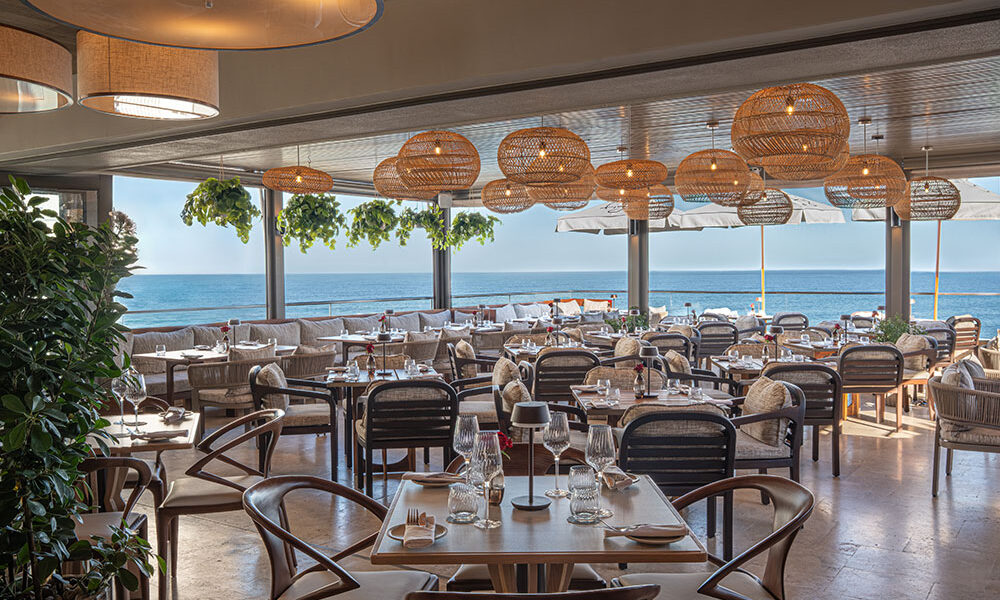
Restaurant pricing in Baltimore often appears straightforward to customers reviewing a menu. However, behind every listed price lies a complex structure of direct and indirect costs that shape final figures. From waterfront dining near the Inner Harbor to neighborhood establishments across the city, pricing strategies reflect more than ingredient expenses.
Understanding these hidden costs provides insight into how restaurants in Baltimore remain financially sustainable in a competitive market.
Rising Operational Expenses in Baltimore
Operational overhead is one of the most significant yet least visible contributors to menu pricing.
Key Operational Costs
- Commercial Rent and Property Taxes
Prime areas in Baltimore, particularly near the Inner Harbor or popular districts like Federal Hill, command higher rental rates. Restaurants must factor these fixed costs into their pricing models.
- Utilities and Energy Consumption
Commercial kitchens consume large amounts of electricity, gas, and water. Rising utility costs in Baltimore significantly influence overall operating expenses.
- Insurance and Licensing Fees
Restaurants must maintain liability insurance, health permits, and liquor licenses. These compliance requirements represent recurring expenses that impact profit margins.
- Equipment Maintenance and Depreciation
Ovens, refrigeration units, and ventilation systems require regular maintenance. Over time, equipment replacement becomes a major capital investment.
Labor Costs and Workforce Management
Labor represents one of the largest expenditures in the restaurant industry. In Baltimore, wage regulations and staffing challenges influence pricing decisions significantly.
- Competitive Wages
Restaurants must offer competitive pay to attract and retain skilled chefs, servers, and kitchen staff in the Baltimore hospitality sector.
- Employee Benefits and Payroll Taxes
Health benefits, paid leave, and employer tax contributions increase total compensation costs beyond hourly wages.
- Training and Turnover Costs
High turnover in the restaurant industry results in frequent recruitment and training expenses.
- Scheduling Inefficiencies
Understaffing can harm service quality, while overstaffing increases payroll costs. Balancing these factors requires strategic forecasting.

Supply Chain and Ingredient Volatility
Food cost is the most apparent pricing component, yet it is influenced by fluctuating external factors.
- Seasonal Availability
Restaurants in Baltimore that prioritize fresh seafood or locally sourced produce face seasonal price variations.
- Transportation and Logistics
Fuel costs and supply chain disruptions affect ingredient delivery expenses.
- Supplier Relationships
Premium suppliers often charge higher rates for consistent quality, affecting overall cost calculations.
- Waste Management
Spoilage, portion control errors, and unsold inventory contribute to hidden losses that must be absorbed through pricing adjustments.
Marketing, Technology, and Digital Platforms
Modern restaurant operations extend beyond food preparation and service. Digital infrastructure and marketing initiatives represent additional hidden expenses.
- Online Ordering Platforms
Third-party delivery services charge commission fees, reducing net revenue for restaurants in Baltimore.
- Point-of-Sale Systems
Advanced POS systems improve efficiency but require subscription fees and maintenance.
- Website Development and Social Media Marketing
Maintaining an online presence requires ongoing investment in advertising and content creation.
- Customer Loyalty Programs
Discounts and reward incentives, while beneficial for retention, reduce short-term revenue margins.
As dining habits evolve in Baltimore, restaurants must invest in technology to remain competitive, inevitably influencing menu pricing.
Profit Margins and Risk Management
Contrary to common perception, restaurant profit margins are often narrow. Pricing strategies must account for unforeseen risks.
- Economic Fluctuations
Changes in consumer spending patterns within Baltimore can affect dining frequency.
- Unexpected Repairs or Emergencies
Equipment breakdowns or structural issues require immediate funding.
- Inflationary Pressures
General inflation impacts utilities, wages, and supplies simultaneously.
To remain viable, restaurants incorporate risk buffers into pricing models, ensuring long-term sustainability in the Baltimore market.
Bottom Line
Restaurant pricing in Baltimore reflects far more than ingredient costs. Operational overhead, labor expenses, supply chain volatility, technology investments, and financial risk management all contribute to final menu prices. Understanding these hidden costs highlights the strategic planning required to sustain profitability in Baltimore’s competitive dining landscape.