
Baking is often described as a culinary art, yet it is fundamentally a science. Achieving perfect consistency requires precision, control, and an understanding of chemical and physical reactions. In Nashville’s thriving food scene, where bakeries and cafés compete for excellence, maintaining consistent quality is essential for customer trust and brand reputation. Behind every perfectly risen loaf or evenly textured cake lies a carefully managed scientific process.
The Role of Accurate Measurement
Precision is the cornerstone of consistent baking results. Unlike savory cooking, baking depends on exact ratios to produce reliable outcomes.
Key considerations include:
- Weight over volume: Professional bakeries in Nashville rely on digital scales to measure flour, sugar, and fats accurately. Weight measurements reduce variability caused by ingredient compaction.
- Ingredient ratios: The balance between flour, liquid, fat, and leavening agents determines texture and structure.
- Standardized recipes: Establishing detailed formulations ensures repeatable results across different batches and staff members.
Small deviations can significantly alter texture, moisture, and flavor, especially in high-volume bakery operations throughout Nashville.
Understanding Ingredient Functionality
Each ingredient in a baked product performs a specific role. Consistency depends on understanding how these components interact.
Core functional elements:
- Flour: Provides structure through gluten formation when combined with water and agitation.
- Leavening agents: Baking powder and baking soda release gases that create rise and lightness.
- Fats: Butter or oil tenderizes the crumb and contributes to moisture retention.
- Sugars: Enhance flavor, aid browning through caramelization, and influence moisture levels.
- Eggs: Act as emulsifiers, bind ingredients, and add structural strength.
In Nashville’s humid climate, even flour can absorb environmental moisture differently, subtly affecting dough hydration and final texture.
Temperature Control and Its Impact
Temperature plays a critical role at every stage of baking. From ingredient preparation to oven performance, thermal precision ensures stability.
Temperature-related factors include:
- Room temperature ingredients: Butter and eggs mix more uniformly when not overly cold.
- Dough fermentation: Yeast activity increases in warm environments, affecting proofing times.
- Oven calibration: Professional kitchens in Nashville routinely calibrate ovens to avoid uneven baking or inconsistent browning.
Even a slight fluctuation in oven temperature can lead to underbaked centers or overbrowned crusts, disrupting product uniformity.
Mixing Techniques and Gluten Development
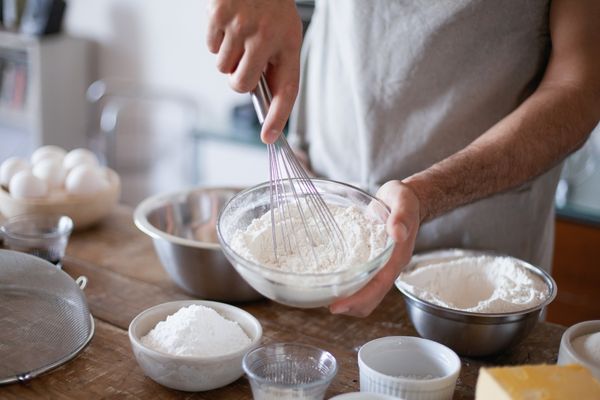
The way ingredients are combined influences texture and structure. Overmixing and undermixing both create inconsistencies.
Mixing principles:
- Creaming method: Incorporates air into butter and sugar, promoting light texture.
- Folding technique: Prevents deflation in delicate batters.
- Kneading control: Develops gluten networks necessary for bread structure without making it tough.
Nashville bakeries that prioritize staff training in mixing techniques often achieve superior consistency across different shifts and production cycles.
Moisture Management and Environmental Factors
Environmental conditions significantly affect baking outcomes. Humidity, in particular, influences ingredient behavior.
Environmental considerations:
- Humidity control: High humidity in Nashville can increase moisture absorption in dry ingredients.
- Storage conditions: Airtight storage prevents ingredient degradation.
- Batch timing: Limiting exposure time of batters and dough reduces inconsistency.
Managing environmental variables helps ensure that a chocolate cake baked on a rainy Nashville afternoon matches the quality of one prepared on a dry winter morning.
Quality Control and Standardization
Consistency is not accidental; it is the result of deliberate quality control measures.
Best practices include:
- Batch testing: Sampling products regularly to monitor flavor and texture.
- Documentation: Recording temperature, timing, and ingredient variations.
- Supplier consistency: Sourcing ingredients from reliable Nashville distributors to maintain uniform quality.
Through structured monitoring and process control, bakeries can maintain product standards regardless of seasonal or staffing changes.
Takeaway
Perfect baking consistency is achieved through scientific precision, controlled variables, and disciplined technique. In Nashville’s competitive culinary environment, success depends on mastering measurement, temperature, ingredient functionality, and environmental management.
By combining scientific understanding with operational discipline, bakeries can consistently deliver products that meet high expectations and build lasting customer confidence.