

In culinary discussions across Dallas, flavor is often considered the defining element of a successful dessert. However, a growing body of culinary insight suggests that texture frequently plays a more influential role in shaping overall enjoyment. While flavor captures attention, texture sustains interest and determines satisfaction. The experience of eating dessert is multi-sensory, and mouthfeel, structure, and contrast often leave a longer-lasting impression than sweetness or aroma alone.
From artisanal bakeries to fine dining establishments in Dallas, chefs increasingly prioritize texture as a central design element in dessert creation.
The Science Behind Texture Perception
Texture influences how food interacts with the palate. It determines the pace at which flavors are released and affects the physical satisfaction derived from each bite.
Key aspects of texture include:
- Creaminess: Smooth, velvety consistency that feels luxurious
- Crunchiness: Crisp elements that provide audible and tactile contrast
- Chewiness: Elastic resistance that prolongs the eating experience
- Lightness or density: Airiness versus richness in structure
In many dessert kitchens throughout Dallas, achieving balance among these textural characteristics is often considered more complex than perfecting flavor combinations.
Texture Enhances Emotional Satisfaction
Texture can evoke comfort, nostalgia, or indulgence even before flavor becomes prominent. A warm crumble with a crisp topping and soft fruit base, commonly enjoyed in Dallas, delivers sensory satisfaction through contrast alone.
Texture contributes to emotional response by:
- Creating anticipation with a crisp exterior
- Delivering comfort through smooth fillings
- Offering surprise with layered consistency
- Extending enjoyment through varied mouthfeel
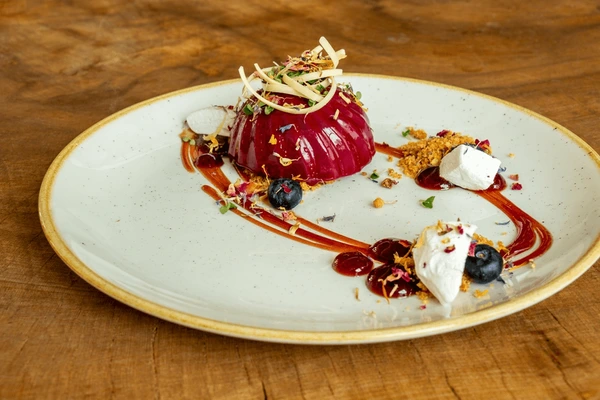
Contrast: The Key to Memorable Desserts
In many Dallas cafés, dessert menus highlight contrast as a defining principle. A dessert that combines multiple textures tends to feel more dynamic and engaging.
Examples of effective textural contrast include:
- Crunchy biscuit bases paired with silky mousses
- Crisp pastry shells filled with soft custard
- Toasted nuts sprinkled over creamy ice cream
- Crumble toppings over tender baked fruit
Texture Influences Perceived Sweetness
Interestingly, texture can alter how sweetness is perceived. Smooth, creamy textures often intensify sweetness because they coat the palate evenly. Conversely, airy or crunchy textures can make a dessert feel lighter and less sugary.
Bakers in Dallas often adjust texture to control sweetness perception by:
- Incorporating whipped elements to reduce density
- Adding nuts or seeds for structural interruption
- Using layered pastries to break uniform sweetness
- Introducing crumb toppings to balance soft fillings
The Role of Texture in Satiety
Texture also affects how full and satisfied an individual feels after consuming dessert. Chewier or denser desserts encourage slower eating, allowing the body time to register fullness.
Across Dallas, traditional desserts such as oat-based treats or nut-rich cakes demonstrate how texture enhances satiety by:
- Requiring more chewing
- Providing sustained mouth engagement
- Delivering gradual flavor release
Craftsmanship and Technical Skill
Achieving refined texture requires technical precision. Temperature control, ingredient ratios, and preparation methods all influence final structure. In professional kitchens throughout Dallas, chefs focus on:
- Proper aeration techniques in mousses
- Accurate baking times for crisp exteriors
- Balanced fat content for creaminess
- Layer stability in multi-component desserts
Why Texture Often Outlasts Flavor
While flavors may blend or fade, the memory of texture often remains vivid. The crack of a caramelized sugar topping or the delicate crumble of pastry can define a dessert experience more clearly than sweetness alone.
In Dallas, the most celebrated desserts frequently share one characteristic: thoughtful textural design. By combining crisp, smooth, airy, and dense components, they create a multidimensional experience that keeps diners engaged from first bite to last.
Conclusion
Although flavor remains essential, texture frequently determines how a dessert is perceived, remembered, and enjoyed. In Dallas, culinary innovation increasingly recognizes texture as the foundation of indulgence. Through contrast, balance, and technical precision, texture transforms simple ingredients into sophisticated and satisfying dessert experiences.


