Author

admin

Browsing

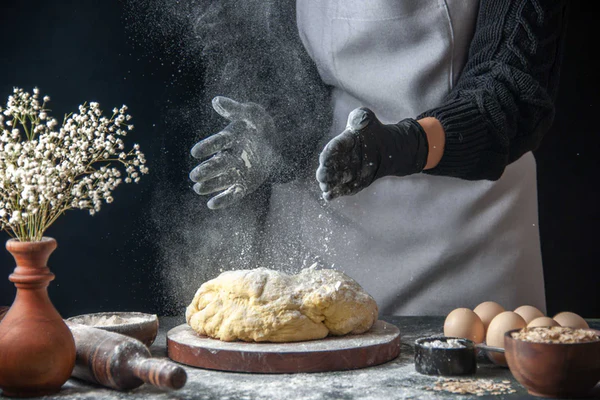
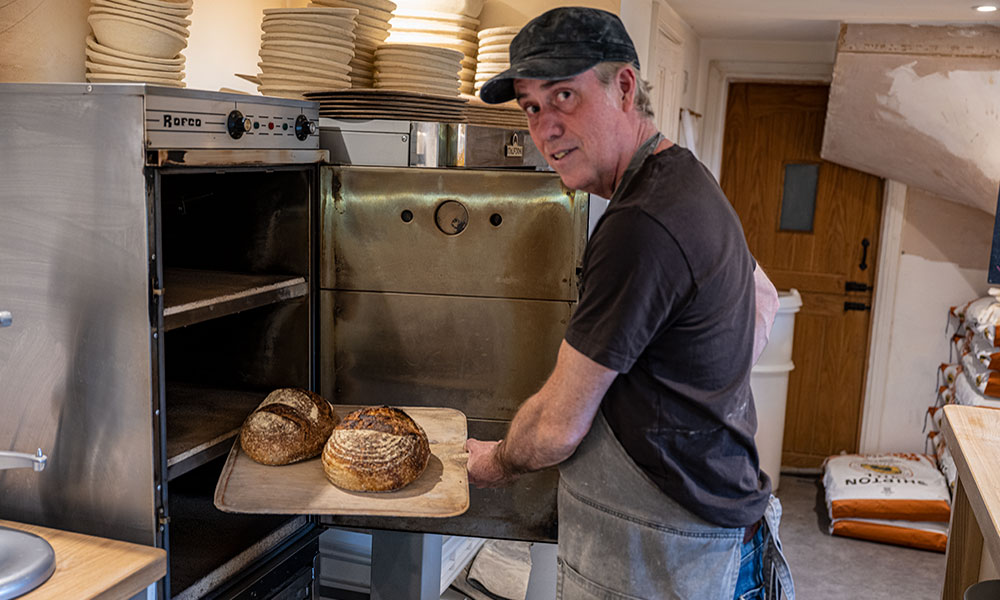
Baking often appears intimidating to beginners, particularly when professional kitchens and specialized tools dominate social media imagery. However, in Charlotte, aspiring bakers can develop confidence and skill without investing in expensive equipment. Successful baking depends more on understanding fundamental principles than on owning high-end appliances.

With careful preparation, attention to detail, and practical techniques, beginners in Charlotte can achieve consistent and satisfying results.

Understanding the Essentials of Baking

Before purchasing specialized tools, it is important to recognize that baking is rooted in simple science. Precision, temperature control, and ingredient balance are the core foundations of successful outcomes.

In Charlotte kitchens, beginners should focus on:

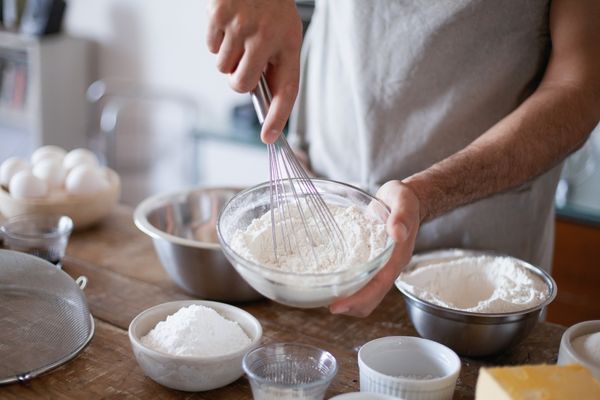
  • Accurate Measurement: Use standard measuring cups and spoons rather than estimating quantities.
  • Room Temperature Ingredients: Butter, eggs, and dairy blend more effectively when not cold.
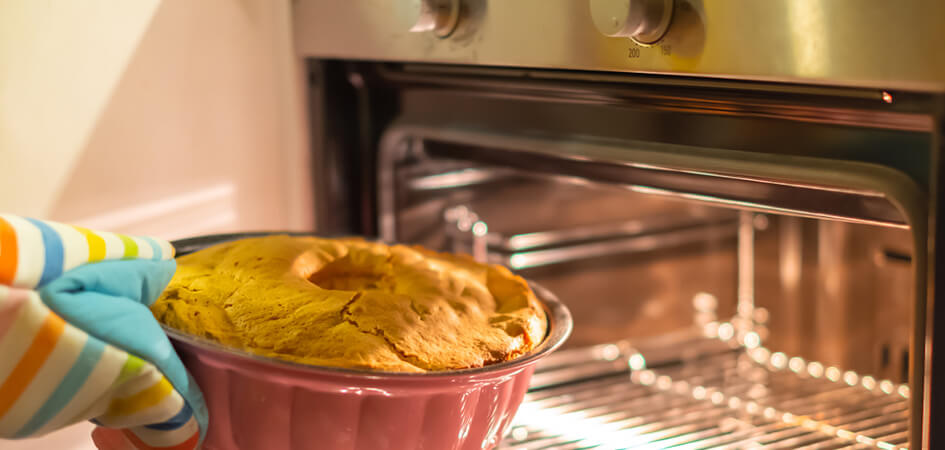
  • Preheating the Oven: Allow the oven to reach the correct temperature before placing baked goods inside.
  • Following Instructions Carefully: Small deviations can significantly affect texture and structure.

Mastering these basics builds confidence more effectively than acquiring complex tools.

Basic Tools Every Beginner Needs

Charlotte beginners can start baking with minimal, affordable equipment. The following items are sufficient for most foundational recipes:

  • Mixing bowls (various sizes)
  • A sturdy whisk
  • A wooden spoon or silicone spatula
  • Measuring cups and spoons
  • A basic hand mixer (optional but helpful)
  • Baking trays or cake pans
  • Parchment paper
  • An oven thermometer for accuracy

These simple tools enable the preparation of cakes, cookies, muffins, and quick breads without complication. Even without a stand mixer, manual mixing techniques can produce excellent results.

Developing Skill Through Simple Recipes

Confidence grows through repetition and gradual progression. In Charlotte, beginners should start with forgiving recipes that allow room for minor errors.

Ideal beginner recipes include:

  • Simple vanilla cupcakes
  • Chocolate chip cookies
  • Banana bread
  • Basic sponge cake
  • Classic brownies

These baked goods rely on straightforward techniques such as creaming butter and sugar, folding dry ingredients, and monitoring baking time. Success with these recipes reinforces foundational skills and reduces fear of failure.
Overcoming Common Beginner Challenges

Many baking mistakes stem from impatience or misunderstanding rather than inadequate equipment. Beginners in Charlotte can improve by addressing common issues:

  • Overmixing Batter: This can result in dense textures. Mix only until ingredients are combined.
  • Incorrect Oven Temperature: Household ovens may vary; using an oven thermometer ensures accuracy.
  • Opening the Oven Door Too Early: This causes temperature fluctuations and uneven rising.
  • Ignoring Cooling Time: Proper cooling helps the structure set and improves the final texture.

Recognizing these pitfalls allows beginners to troubleshoot effectively and build practical knowledge with each attempt.

Building Confidence Through Consistency

In Charlotte, baking confidence develops through consistency rather than complexity. Repeating the same recipe several times provides insight into texture, aroma, and visual cues. Over time, beginners learn to:

  • Identify when the dough is properly kneaded
  • Recognize ideal batter thickness
  • Understand visual signs of doneness
  • Adjust baking time based on pan size

Keeping a simple baking journal can also be helpful. Recording ingredient quantities, oven temperatures, and outcomes allows beginners to refine techniques systematically.

Embracing Simplicity Over Perfection

Beginners in Charlotte need to understand that a professional presentation is not the initial goal. Early focus should remain on:

Decorative techniques and specialty equipment can be explored later. Confidence grows when beginners celebrate small improvements rather than striving for flawless results.

Final Statement

Baking confidence in Charlotte does not require expensive mixers or professional-grade tools. By mastering fundamental techniques, using basic equipment, and practicing simple recipes consistently, beginners can achieve dependable results. With patience and structured learning, home bakers gradually transform uncertainty into competence, making baking both accessible and rewarding without the need for fancy equipment.
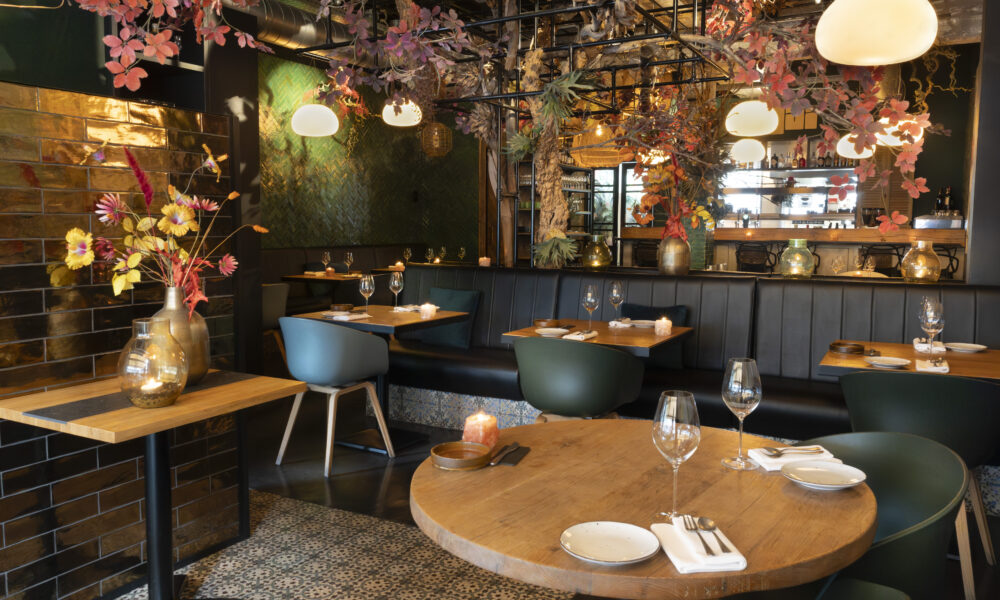

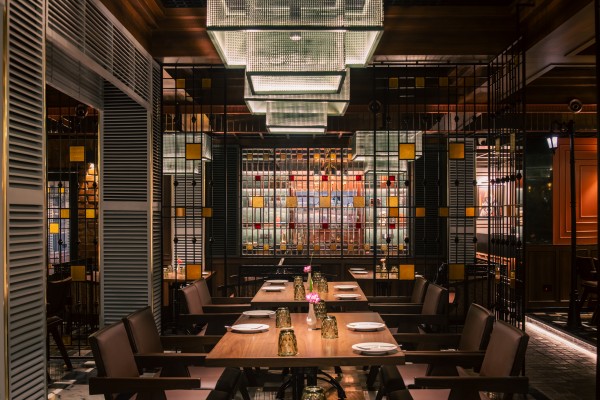
Dining is not solely about taste; it is a multisensory experience shaped by environment, service, and emotional context. In Denver, where culinary diversity reflects both urban sophistication and mountain charm, the restaurant atmosphere plays a defining role in how guests perceive flavor, quality, and overall satisfaction.

From lighting and music to interior design and service style, each atmospheric element influences the dining experience in subtle yet powerful ways.

The Psychology Behind Restaurant Atmosphere

Scientific research consistently shows that environmental cues shape perception. In Denver’s competitive dining scene, restaurants carefully curate their atmosphere to enhance customer engagement and brand identity.

Key psychological influences include:

  • Mood Enhancement: Warm lighting and inviting décor can elevate mood, making dishes appear more enjoyable.
  • Expectation Setting: A refined setting signals premium quality, influencing diners to perceive food as more flavorful and valuable.
  • Emotional Memory: A well-designed environment creates lasting impressions, encouraging repeat visits in Denver’s vibrant food districts.

Lighting and Visual Presentation

Lighting is one of the most influential atmospheric factors in Denver restaurants. It directly affects how food looks and how comfortable diners feel.

Impact of Lighting

  • Soft, warm lighting enhances feelings of relaxation and indulgence.
  • Bright lighting promotes alertness and is common in casual or quick-service establishments.
  • Accent lighting draws attention to plated dishes, enhancing visual appeal.

In upscale areas of Denver, carefully balanced lighting complements plating aesthetics, while casual eateries may opt for brighter settings that encourage social interaction and quicker turnover.

Sound and Music Ambience

Sound significantly influences pacing and mood. In Denver’s diverse neighborhoods, from downtown dining hubs to quieter suburban establishments, music selection reflects brand personality.

How Sound Shapes Experience

  • Slow-tempo music encourages diners to linger, often increasing overall spending.
  • Upbeat music creates energy, suitable for modern bistros or lively brunch spots.
  • Noise levels affect comfort; excessive background noise may diminish enjoyment.

Restaurants in Denver that manage acoustics effectively provide a more immersive and enjoyable dining atmosphere.

Interior Design and Spatial Layout

Interior design contributes to both comfort and brand storytelling. In Denver, many restaurants incorporate local cultural influences, natural textures, and mountain-inspired themes to create a distinctive sense of place.

Design Elements That Matter

  • Seating arrangement: Spacious layouts enhance privacy, while communal tables encourage social engagement.
  • Color schemes: Earth tones evoke warmth and authenticity, while minimalist palettes signal modern sophistication.
  • Décor themes: Incorporating Denver-inspired elements fosters local identity and connection.

Service Style and Human Interaction

The atmosphere extends beyond physical surroundings to include service dynamics. In Denver’s hospitality-driven dining culture, attentive and knowledgeable staff enhance the sensory experience.

Service Factors Influencing Perception

  • Professional presentation of staff reinforces credibility.
  • Tone and friendliness shape emotional comfort.
  • Pacing of service affects meal enjoyment.

Even exceptional cuisine may feel diminished if service disrupts the atmosphere. Conversely, attentive service can elevate a modest meal into a memorable experience.

Scent and Environmental Cues

Subtle environmental factors such as aroma also shape perception. The scent of freshly prepared dishes circulating through a Denver restaurant can stimulate appetite and anticipation.

Important considerations include:

  • Natural food aromas enhance authenticity.
  • Avoidance of overpowering cleaning or artificial scents.
  • Ventilation balance to maintain freshness.

When sensory elements align harmoniously, the food experience becomes immersive rather than transactional.

Cultural and Local Identity in Denver

Denver’s restaurant atmosphere often reflects its unique geographic and cultural context. Establishments may integrate:

Such local integration strengthens authenticity and builds emotional resonance among Denver residents and visitors alike.

Bottom Line

Restaurant atmosphere profoundly influences how diners in Denver perceive taste, quality, and value. Through lighting, sound, design, service, and sensory cues, establishments shape emotional and psychological responses that extend beyond flavor alone. A thoughtfully curated environment transforms dining from a simple meal into a memorable and meaningful experience.

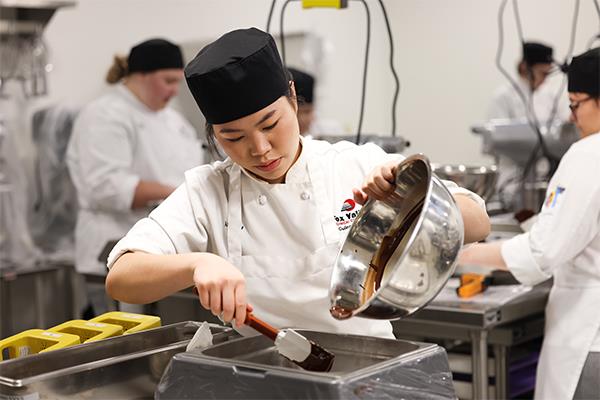
In a fast-paced city like Houston, where professional commitments and urban activity shape daily routines, food often becomes more than nourishment. Comfort desserts, when thoughtfully prepared, can offer emotional relief and psychological balance. Certain ingredients naturally support mood regulation, helping individuals in Houston manage stress while enjoying satisfying flavors.

Rather than relying solely on sugar-heavy indulgences, selecting desserts rich in nutrients can promote well-being. Below are several comfort desserts that naturally improve mood while aligning with healthier lifestyle choices in Houston.

The Science Behind Mood-Boosting Desserts

Before exploring specific options popular in Houston households and cafés, it is important to understand how certain ingredients influence emotional health.

Key mood-supporting components include:

  • Dark chocolate: Contains flavonoids and stimulates serotonin production
  • Berries: Rich in antioxidants that reduce oxidative stress
  • Nuts and seeds: Provide magnesium and healthy fats
  • Whole grains: Help stabilize blood sugar levels
  • Yogurt and fermented dairy: Support gut health, which influences mood

In Houston’s warm climate, desserts that combine these elements offer both refreshment and emotional comfort.

Dark Chocolate-Based Treats

Dark chocolate (70% cocoa or higher) is widely recognized for its mood-enhancing properties. It promotes endorphin release and improves circulation to the brain.

Comfort Dessert Ideas in Houston

  • Dark Chocolate Almond Bark
    • Combines antioxidants with magnesium-rich almonds
  • Dark Chocolate Avocado Mousse
    • Creamy texture without excessive sugar
  • Chocolate-Dipped Strawberries
    • Balanced sweetness and antioxidant benefits

Many artisan bakeries in Houston incorporate high-quality cocoa into desserts that provide indulgence without excessive processing.

Fruit-Forward Desserts for Emotional Balance

The Role of Natural Sugars

Fresh fruit provides natural sweetness along with fiber, vitamins, and antioxidants. In Houston’s year-round access to diverse produce, fruit-based desserts are both practical and beneficial.

Mood-Boosting Options

  • Mixed Berry Parfaits
    • Greek yogurt layered with blueberries, raspberries, and granola
  • Baked Cinnamon Apples
    • Warm spices stimulate comfort and relaxation
  • Mango Chia Pudding
    • Omega-3 fatty acids support cognitive function

Whole-Grain Comfort Classics

Stabilizing Energy Levels

Refined sugar spikes often lead to mood crashes. Whole-grain desserts provide slower energy release, which helps maintain emotional stability.

Smart Comfort Choices

  • Oatmeal Raisin Cookies
    • Fiber-rich oats promote steady glucose levels
  • Banana Walnut Bread
    • Potassium from bananas and healthy fats from walnuts
  • Whole-Grain Blueberry Muffins
    • Balanced carbohydrates and antioxidants

Houston families increasingly prefer these alternatives as part of a more health-conscious dessert culture.

Yogurt and Fermented Dessert Options

Gut Health and Mood

Scientific research consistently shows a strong gut-brain connection. Probiotic-rich foods may contribute to improved mood and reduced anxiety.

Light and Refreshing Desserts in Houston

  • Greek Yogurt Honey Bowls
    • Natural sweetness without refined sugar
  • Frozen Yogurt with Fresh Fruit
    • Ideal for Houston’s warm evenings
  • Kefir Smoothie Pops
    • Digestive support combined with fruit nutrients

These options are particularly appealing in Houston’s climate, offering both cooling effects and emotional comfort.

Nuts, Seeds, and Healthy Fats

Supporting Brain Function

Healthy fats are essential for cognitive performance and emotional regulation. Including nuts and seeds in desserts enhances both texture and nutritional value.

Nutritious Dessert Ideas

  • Peanut Butter Oat Bars
    • Protein-rich and satisfying
  • Almond Date Energy Bites
    • Naturally sweet and magnesium-dense
  • Pistachio Yogurt Clusters
    • Balanced fats and probiotics

Practical Tips for Enjoying Comfort Desserts in Houston

To maximize mood benefits:

  • Choose desserts with at least one nutrient-dense ingredient
  • Limit excessive refined sugars
  • Practice mindful eating to enhance satisfaction
  • Opt for fresh, locally sourced ingredients when possible
  • Pair desserts with social interaction, which also improves mood

Houston’s vibrant culinary scene provides ample opportunities to explore desserts that nourish both body and mind.

Final Thought

Comfort desserts need not compromise health to provide emotional relief. By incorporating dark chocolate, fresh fruits, whole grains, yogurt, and healthy fats, individuals in Houston can enjoy sweet treats that naturally enhance mood. Thoughtful ingredient selection transforms indulgence into a balanced, uplifting experience.

In Lexington, culinary traditions reflect both comfort and creativity. As awareness of healthy living continues to grow, many households are seeking recipes that provide essential nutrients while preserving rich, satisfying flavors. Balanced cooking is not about restriction; it is about thoughtful combinations of ingredients that work together to support long-term wellness and enjoyable dining experiences.

By understanding nutritional fundamentals and applying practical cooking techniques, residents of Lexington can prepare meals that nourish the body without compromising taste.

Understanding the Core Elements of Balanced Meals

A balanced recipe integrates the right proportions of macronutrients, proteins, carbohydrates, and fats, alongside vitamins and minerals. Achieving this balance in everyday cooking ensures sustained energy, stable blood sugar levels, and improved overall health.

Key components include:

  • Lean Proteins
    • Chicken breast, turkey, fish, eggs, tofu, beans, and lentils
    • Support muscle repair and enhance satiety
  • Complex Carbohydrates
    • Brown rice, quinoa, whole wheat pasta, barley, and oats
    • Provide steady energy and essential fiber
  • Healthy Fats
    • Olive oil, nuts, seeds, avocados, and fatty fish
    • Aid nutrient absorption and promote heart health
  • Fruits and Vegetables
    • Leafy greens, carrots, squash, berries, and seasonal produce
    • Supply antioxidants, vitamins, and dietary fiber

In Lexington, access to fresh seasonal ingredients makes it practical to incorporate these elements into daily meals.

Techniques That Preserve Nutrition and Enhance Flavor

The preparation method plays a crucial role in maintaining nutrient value while intensifying taste. Balanced cooking in Lexington often emphasizes simplicity and freshness.

Effective techniques include:

  • Roasting
    • Enhances the natural sweetness of vegetables
    • Requires minimal added fat
  • Grilling
    • Adds smoky depth without heavy sauces
    • Allows excess fat to drain from proteins
  • Steaming
    • Preserves water-soluble vitamins
    • Maintains vibrant color and texture
  • Sautéing with Controlled Oil Use
    • Encourages caramelization
    • Maintains calorie awareness
  • Flavoring with Herbs and Spices
    • Basil, thyme, rosemary, garlic, turmeric, and paprika
    • Reduce reliance on excessive salt or sugar

Practical Balanced Recipe Ideas

Developing nutritious and tasty meals does not require complex techniques. Below are examples suitable for everyday dining in Lexington.

1. Grilled Chicken and Quinoa Bowl

Nutritional Benefits:

  • Complete protein profile
  • Fiber-rich whole grains
  • An abundance of vitamins from mixed greens

Flavor Enhancements:

  • Lemon-tahini dressing
  • Fresh parsley and cherry tomatoes
  • Drizzle of olive oil

This dish provides a balanced combination of protein, carbohydrates, and healthy fats while remaining light and satisfying.

2. Lentil and Vegetable Stew

Nutritional Benefits:

  • Plant-based protein
  • Iron and folate
  • Low saturated fat

Flavor Enhancements:

  • Cumin and coriander
  • Slow simmering for depth
  • Splash of apple cider vinegar for brightness

Such hearty yet nutritious meals are especially comforting during cooler months in Lexington.

3. Baked Salmon with Roasted Vegetables

Nutritional Benefits:

  • Omega-3 fatty acids
  • Vitamin D and B vitamins
  • Fiber and antioxidants from vegetables

Flavor Enhancements:

  • Dijon mustard glaze
  • Fresh dill and garlic
  • Light seasoning of black pepper

This meal demonstrates how healthy ingredients can produce refined and flavorful results.

Strategies for Maintaining Balance in Daily Cooking

Consistency is essential for long-term wellness. Households in Lexington can adopt simple habits to sustain nutritional balance:

  • Fill half the plate with vegetables
  • Include protein in every meal
  • Choose whole grains over refined carbohydrates
  • Limit processed foods and added sugars
  • Practice portion awareness without extreme restriction
  • Plan weekly meals to reduce reliance on convenience foods

The Long-Term Benefits of Balanced Eating

Balanced recipes offer more than immediate satisfaction. Over time, consistent nutrient intake supports improved digestion, stable energy levels, enhanced immune function, and better cardiovascular health. In Lexington, where busy lifestyles are common, practical and flavorful balanced meals provide a sustainable approach to wellness.

Wrapping Up

Balanced recipes that combine nutrition and taste empower individuals in Lexington to make informed culinary choices without abandoning enjoyment. Through mindful ingredient selection, effective preparation methods, and thoughtful portion control, healthy eating becomes a realistic and rewarding lifestyle practice rather than a temporary adjustment.

Baking is often described as a culinary art, yet it is fundamentally a science. Achieving perfect consistency requires precision, control, and an understanding of chemical and physical reactions. In Nashville’s thriving food scene, where bakeries and cafés compete for excellence, maintaining consistent quality is essential for customer trust and brand reputation. Behind every perfectly risen loaf or evenly textured cake lies a carefully managed scientific process.

The Role of Accurate Measurement

Precision is the cornerstone of consistent baking results. Unlike savory cooking, baking depends on exact ratios to produce reliable outcomes.

Key considerations include:

  • Weight over volume: Professional bakeries in Nashville rely on digital scales to measure flour, sugar, and fats accurately. Weight measurements reduce variability caused by ingredient compaction.
  • Ingredient ratios: The balance between flour, liquid, fat, and leavening agents determines texture and structure.
  • Standardized recipes: Establishing detailed formulations ensures repeatable results across different batches and staff members.

Small deviations can significantly alter texture, moisture, and flavor, especially in high-volume bakery operations throughout Nashville.

Understanding Ingredient Functionality

Each ingredient in a baked product performs a specific role. Consistency depends on understanding how these components interact.

Core functional elements:

  • Flour: Provides structure through gluten formation when combined with water and agitation.
  • Leavening agents: Baking powder and baking soda release gases that create rise and lightness.
  • Fats: Butter or oil tenderizes the crumb and contributes to moisture retention.
  • Sugars: Enhance flavor, aid browning through caramelization, and influence moisture levels.
  • Eggs: Act as emulsifiers, bind ingredients, and add structural strength.

In Nashville’s humid climate, even flour can absorb environmental moisture differently, subtly affecting dough hydration and final texture.

Temperature Control and Its Impact

Temperature plays a critical role at every stage of baking. From ingredient preparation to oven performance, thermal precision ensures stability.

Temperature-related factors include:

  • Room temperature ingredients: Butter and eggs mix more uniformly when not overly cold.
  • Dough fermentation: Yeast activity increases in warm environments, affecting proofing times.
  • Oven calibration: Professional kitchens in Nashville routinely calibrate ovens to avoid uneven baking or inconsistent browning.

Even a slight fluctuation in oven temperature can lead to underbaked centers or overbrowned crusts, disrupting product uniformity.

Mixing Techniques and Gluten Development

The way ingredients are combined influences texture and structure. Overmixing and undermixing both create inconsistencies.

Mixing principles:

  • Creaming method: Incorporates air into butter and sugar, promoting light texture.
  • Folding technique: Prevents deflation in delicate batters.
  • Kneading control: Develops gluten networks necessary for bread structure without making it tough.

Nashville bakeries that prioritize staff training in mixing techniques often achieve superior consistency across different shifts and production cycles.

Moisture Management and Environmental Factors

Environmental conditions significantly affect baking outcomes. Humidity, in particular, influences ingredient behavior.

Environmental considerations:

  • Humidity control: High humidity in Nashville can increase moisture absorption in dry ingredients.
  • Storage conditions: Airtight storage prevents ingredient degradation.
  • Batch timing: Limiting exposure time of batters and dough reduces inconsistency.

Managing environmental variables helps ensure that a chocolate cake baked on a rainy Nashville afternoon matches the quality of one prepared on a dry winter morning.

Quality Control and Standardization

Consistency is not accidental; it is the result of deliberate quality control measures.

Best practices include:

  • Batch testing: Sampling products regularly to monitor flavor and texture.
  • Documentation: Recording temperature, timing, and ingredient variations.
  • Supplier consistency: Sourcing ingredients from reliable Nashville distributors to maintain uniform quality.

Through structured monitoring and process control, bakeries can maintain product standards regardless of seasonal or staffing changes.

Takeaway

Perfect baking consistency is achieved through scientific precision, controlled variables, and disciplined technique. In Nashville’s competitive culinary environment, success depends on mastering measurement, temperature, ingredient functionality, and environmental management.

By combining scientific understanding with operational discipline, bakeries can consistently deliver products that meet high expectations and build lasting customer confidence.

In culinary discussions across Dallas, flavor is often considered the defining element of a successful dessert. However, a growing body of culinary insight suggests that texture frequently plays a more influential role in shaping overall enjoyment. While flavor captures attention, texture sustains interest and determines satisfaction. The experience of eating dessert is multi-sensory, and mouthfeel, structure, and contrast often leave a longer-lasting impression than sweetness or aroma alone.

From artisanal bakeries to fine dining establishments in Dallas, chefs increasingly prioritize texture as a central design element in dessert creation.

The Science Behind Texture Perception

Texture influences how food interacts with the palate. It determines the pace at which flavors are released and affects the physical satisfaction derived from each bite.

Key aspects of texture include:

  • Creaminess: Smooth, velvety consistency that feels luxurious
  • Crunchiness: Crisp elements that provide audible and tactile contrast
  • Chewiness: Elastic resistance that prolongs the eating experience
  • Lightness or density: Airiness versus richness in structure

In many dessert kitchens throughout Dallas, achieving balance among these textural characteristics is often considered more complex than perfecting flavor combinations.

Texture Enhances Emotional Satisfaction

Texture can evoke comfort, nostalgia, or indulgence even before flavor becomes prominent. A warm crumble with a crisp topping and soft fruit base, commonly enjoyed in Dallas, delivers sensory satisfaction through contrast alone.

Texture contributes to emotional response by:

  • Creating anticipation with a crisp exterior
  • Delivering comfort through smooth fillings
  • Offering surprise with layered consistency
  • Extending enjoyment through varied mouthfeel

Contrast: The Key to Memorable Desserts

In many Dallas cafés, dessert menus highlight contrast as a defining principle. A dessert that combines multiple textures tends to feel more dynamic and engaging.

Examples of effective textural contrast include:

  • Crunchy biscuit bases paired with silky mousses
  • Crisp pastry shells filled with soft custard
  • Toasted nuts sprinkled over creamy ice cream
  • Crumble toppings over tender baked fruit

Texture Influences Perceived Sweetness

Interestingly, texture can alter how sweetness is perceived. Smooth, creamy textures often intensify sweetness because they coat the palate evenly. Conversely, airy or crunchy textures can make a dessert feel lighter and less sugary.

Bakers in Dallas often adjust texture to control sweetness perception by:

  • Incorporating whipped elements to reduce density
  • Adding nuts or seeds for structural interruption
  • Using layered pastries to break uniform sweetness
  • Introducing crumb toppings to balance soft fillings

The Role of Texture in Satiety

Texture also affects how full and satisfied an individual feels after consuming dessert. Chewier or denser desserts encourage slower eating, allowing the body time to register fullness.

Across Dallas, traditional desserts such as oat-based treats or nut-rich cakes demonstrate how texture enhances satiety by:

  • Requiring more chewing
  • Providing sustained mouth engagement
  • Delivering gradual flavor release

Craftsmanship and Technical Skill

Achieving refined texture requires technical precision. Temperature control, ingredient ratios, and preparation methods all influence final structure. In professional kitchens throughout Dallas, chefs focus on:

  • Proper aeration techniques in mousses
  • Accurate baking times for crisp exteriors
  • Balanced fat content for creaminess
  • Layer stability in multi-component desserts

Why Texture Often Outlasts Flavor

While flavors may blend or fade, the memory of texture often remains vivid. The crack of a caramelized sugar topping or the delicate crumble of pastry can define a dessert experience more clearly than sweetness alone.

In Dallas, the most celebrated desserts frequently share one characteristic: thoughtful textural design. By combining crisp, smooth, airy, and dense components, they create a multidimensional experience that keeps diners engaged from first bite to last.

Conclusion

Although flavor remains essential, texture frequently determines how a dessert is perceived, remembered, and enjoyed. In Dallas, culinary innovation increasingly recognizes texture as the foundation of indulgence. Through contrast, balance, and technical precision, texture transforms simple ingredients into sophisticated and satisfying dessert experiences.

Modern households in El Paso often balance demanding schedules with the desire to prepare satisfying meals at home. Time efficiency, however, should not come at the expense of taste. By selecting practical cooking techniques and focusing on bold yet simple ingredients, home cooks in El Paso can prepare everyday recipes that deliver both convenience and rich flavor.

The Importance of Efficient Cooking in El Paso

El Paso’s culinary landscape reflects vibrant Southwestern influences, fresh produce, and bold seasonings. Everyday cooking in El Paso can be streamlined by:

  • Prioritizing quick-cooking proteins
  • Using one-pan or one-pot methods
  • Relying on pantry staples with strong flavor profiles
  • Incorporating fresh herbs and citrus for brightness

These strategies help reduce preparation time while preserving depth and authenticity in each dish.

One-Pan Chicken Fajitas

A staple in many El Paso kitchens, chicken fajitas can be prepared efficiently without compromising taste.

Key Ingredients:

  • Boneless chicken breast
  • Bell peppers
  • Onions
  • Olive oil
  • Chili powder and cumin

Time-Saving Techniques:

  • Slice all ingredients uniformly for even cooking.
  • Toss everything together on a single baking sheet.
  • Roast at high heat for 20-25 minutes.

Why it maintains flavor:

  • High heat caramelizes vegetables, enhancing sweetness.
  • Chili powder and cumin add warmth and depth.
  • Natural juices combine during roasting, creating a cohesive taste.

This method eliminates the need for multiple pans, making cleanup easier for busy households in El Paso.

Quick Black Bean and Rice Bowl

Rice bowls are ideal for efficient meal preparation in El Paso, especially when ingredients can be prepared in advance.

Key Ingredients:

  • Cooked rice
  • Canned black beans
  • Fresh salsa
  • Lime juice
  • Fresh cilantro

Time-Saving Strategies:

  • Use pre-cooked or leftover rice.
  • Rinse and heat canned beans with minimal seasoning.
  • Assemble components rather than cooking everything from scratch.

Flavor benefits:

  • Lime juice adds acidity that brightens the dish.
  • Fresh salsa contributes texture and layered seasoning.
  • Cilantro enhances aroma and freshness.

This meal is adaptable, affordable, and aligned with the bold flavor traditions appreciated throughout El Paso.

Skillet Shrimp with Garlic and Lemon

Seafood can be both quick and flavorful when prepared properly.

Key Ingredients:

  • Shrimp (peeled and deveined)
  • Garlic
  • Lemon juice
  • Butter or olive oil
  • Salt and black pepper

Preparation Highlights:

  • Heat the skillet thoroughly before adding shrimp.
  • Cook shrimp for only 2-3 minutes per side.
  • Finish with fresh lemon juice.

Why it works:

  • Quick cooking preserves tenderness.
  • Garlic infuses oil rapidly, creating depth.
  • Lemon balances richness and enhances natural sweetness.

In El Paso, this dish pairs well with simple steamed vegetables or warm tortillas for a complete meal in under 20 minutes.

Sheet Pan Roasted Vegetables

Vegetable-based dishes can also deliver bold flavor with minimal effort.

Efficient Approach:

  • Chop vegetables uniformly.
  • Coat lightly with oil and season generously.
  • Roast at high temperature to encourage caramelization.

Recommended combinations in El Paso kitchens:

  • Zucchini, bell peppers, and onions
  • Sweet potatoes with paprika
  • Broccoli with garlic and lemon zest

Roasting concentrates natural sugars, producing depth without additional sauces or lengthy preparation.

Practical Tips for Flavor Retention

Time-saving cooking in El Paso becomes more effective when certain principles are followed:

  • Season early and appropriately to build flavor from the start.
  • Use fresh citrus to brighten quick dishes.
  • Avoid overcrowding pans, which prevents proper browning.
  • Keep a stocked spice cabinet with cumin, chili powder, paprika, and garlic powder.

These small adjustments ensure that efficiency does not diminish taste.

Conclusion

Everyday recipes in El Paso can be both time-conscious and richly flavorful. By embracing streamlined techniques such as one-pan roasting, skillet cooking, and smart ingredient combinations, home cooks can maintain culinary quality despite busy schedules. Efficient preparation, when paired with bold seasoning and fresh components, allows meals to remain satisfying, balanced, and deeply enjoyable.

In many professional and home kitchens across Austin, baking success is often judged by flavor alone. However, texture frequently determines whether a dessert feels refined or disappointing. A cake may taste pleasant, yet if it is dense instead of airy or crumbly instead of tender, the overall experience suffers.

Understanding how certain baking mistakes influence texture more than taste is essential for achieving consistent results in Austin’s diverse culinary environment.

The Importance of Texture in Baking

Texture shapes the sensory experience of baked goods. In Austin’s competitive bakery scene, customers expect:

  • Light, airy cakes
  • Soft yet structured cookies
  • Flaky pastries with defined layers
  • Moist quick breads without gumminess

While flavor can sometimes mask minor imperfections, texture flaws are immediately noticeable. The following mistakes often alter structure without drastically changing taste.

Incorrect Measuring Techniques

Precise measurement is foundational to baking chemistry. In Austin kitchens, where humidity levels can fluctuate, measurement accuracy becomes even more critical.

Common measuring errors include:

  • Scooping flour directly with a measuring cup instead of spooning and leveling
  • Packing flour too tightly
  • Misjudging liquid quantities at incorrect eye level

Excess flour results in:

  • Dense, dry cakes
  • Tough cookies
  • Crumbly muffins

Too little flour can cause the following:

  • Flat, overly soft baked goods
  • Structural collapse

Though flavor may remain similar, the mouthfeel changes significantly.

Overmixing the Batter or Dough

Overmixing is one of the most common texture-related mistakes observed in both home kitchens and small bakeries in Austin.

When flour is combined with liquid, gluten develops. Excessive mixing:

  • Strengthens gluten strands
  • Creates elasticity
  • Reduces tenderness

This often leads to:

  • Tough cakes
  • Chewy muffins
  • Dense quick breads

While taste may not be noticeably affected, the expected softness disappears. For delicate baked goods, mixing until ingredients are just combined preserves a tender crumb.

Improper Oven Temperature Control

Austin’s warm climate can influence kitchen conditions, but oven calibration remains critical.

Texture problems often arise from:

  • Baking at temperatures higher than recommended
  • Frequently opening the oven door
  • Using uncalibrated ovens

High heat can cause:

  • Rapid exterior browning with undercooked centers
  • Cracked cake tops
  • Overly firm crusts

Low heat may result in:

  • Pale, dry textures
  • Poor rise
  • Heavy crumb structure

Even if flavor remains balanced, uneven baking produces undesirable consistency.

Ignoring Ingredient Temperature

Ingredient temperature significantly impacts texture, particularly in Austin households where room temperature may exceed typical recipe assumptions.

Common mistakes include:

  • Using cold butter in creaming methods
  • Adding cold eggs to room-temperature batter
  • Melting butter when it should be softened

Consequences often include:

  • Poor aeration
  • Uneven crumb structure
  • Greasy or separated batter

Room-temperature ingredients incorporate air more effectively, producing light and uniform baked goods. Incorrect temperatures compromise structure without altering core taste.

Substituting Ingredients Improperly

Austin’s health-conscious baking trends often encourage substitutions. While flavor may remain appealing, texture can suffer.

Examples include:

  • Replacing butter with oil without adjusting ratios
  • Using whole wheat flour without additional hydration
  • Substituting sugar alternatives without structural compensation

These changes may lead to:

  • Dry or dense cakes
  • Excess moisture retention
  • Crumbly consistency

Understanding the structural role of each ingredient prevents textural imbalances.

Overbaking or Underbaking

Timing directly affects moisture content and structural integrity.

Overbaking causes:

Underbaking results in:

In Austin bakeries where high turnover demands efficiency, close attention to baking time ensures optimal texture.

Bottom Line

In Austin’s dynamic baking landscape, mastering texture is just as important as perfecting flavor. Many baking mistakes, whether related to measurement, mixing, temperature, or substitutions, primarily affect structure rather than taste. By understanding how these errors influence crumb, moisture, and density, bakers can produce consistently refined results that meet both aesthetic and sensory expectations.

Creating dishes that taste refined and layered does not always require lengthy ingredient lists or advanced culinary techniques. In Columbus, where seasonal produce and diverse culinary influences are readily available, simplicity often leads to the most memorable meals. By focusing on quality ingredients, thoughtful preparation, and balance, home cooks in Columbus can produce recipes that feel sophisticated while remaining accessible.

The Philosophy of Minimal Ingredients

In many kitchens across Columbus, simplicity is not a limitation but a strategy. Minimalist cooking emphasizes:

  • Quality over quantity: Selecting fresh, high-grade ingredients enhances natural flavors.
  • Balance of elements: Combining salt, acid, fat, and heat thoughtfully.
  • Proper technique: Even basic skills such as roasting or searing can elevate flavor.
  • Seasonal awareness: Using ingredients that are fresh and abundant in Columbus markets.

This approach ensures that each ingredient contributes meaningfully to the final dish.

Recipe 1: Garlic Butter Roasted Chicken

A classic roasted chicken can taste remarkably complex with only a handful of components.

Ingredients:

  • Whole chicken
  • Fresh garlic
  • Butter
  • Salt
  • Black pepper

Preparation Highlights:

  • Rub softened butter mixed with minced garlic beneath the skin.
  • Season generously with salt and black pepper.
  • Roast at high heat to achieve crisp skin and tender meat.

Why it works in Columbus:

  • Local poultry sourced in Columbus offers rich, natural flavor.
  • Garlic and butter enhance depth without overwhelming the protein.
  • High-heat roasting creates caramelization, adding complexity.

The result is a meal that tastes layered and satisfying despite its simplicity.

Recipe 2: Tomato Basil Pasta

This dish demonstrates how a few fresh ingredients can create a vibrant plate.

Ingredients:

  • Ripe tomatoes
  • Fresh basil
  • Olive oil
  • Garlic
  • Pasta

Preparation Highlights:

  • Lightly sauté garlic in olive oil.
  • Toss fresh chopped tomatoes into the warm oil.
  • Combine with cooked pasta and finish with torn basil.

Why it feels complex:

  • The acidity of tomatoes balances the richness of olive oil.
  • Fresh basil adds aromatic brightness.
  • Gentle cooking preserves the integrity of each ingredient.

In Columbus, access to seasonal produce markets makes this recipe particularly rewarding during warmer months.

Recipe 3: Honey-Lemon Glazed Salmon

This elegant entrée requires minimal effort but delivers restaurant-quality flavor.

Ingredients:

  • Salmon fillets
  • Honey
  • Lemon juice
  • Salt
  • Black pepper

Preparation Highlights:

  • Season salmon lightly.
  • Brush with a mixture of honey and lemon juice.
  • Bake or pan-sear until just cooked through.

Flavor dynamics:

  • Honey contributes sweetness and caramelization.
  • Lemon provides acidity and brightness.
  • Salmon’s natural richness balances both elements.

Many Columbus home cooks appreciate this dish for weeknight dinners, as it pairs well with simple roasted vegetables or rice.

Techniques That Enhance Flavor Without Extra Ingredients

Cooks in Columbus can rely on technique rather than lengthy shopping lists. Consider:

  • Roasting: Enhances sweetness and depth through caramelization.
  • Searing: Develops a crust that intensifies flavor.
  • Reducing sauces: Concentrates taste naturally.
  • Proper seasoning timing: Adding salt at different stages builds complexity.

Mastering these techniques allows minimal ingredients to perform at their best.

Ingredient Pairings That Create Depth

Certain combinations naturally produce layered flavors. In Columbus kitchens, the following pairings are particularly effective:

  • Tomato and Basil: Classic freshness and aroma.
  • Lemon and Butter: Balanced richness and brightness.
  • Garlic and Olive Oil: Foundational savory depth.
  • Honey and Mustard: Sweet and tangy contrast.

These pairings ensure that even the simplest recipes feel thoughtfully composed.

Practical Benefits for Columbus Home Cooks

Minimal-ingredient cooking offers advantages beyond flavor:

  • Reduced grocery costs.
  • Less preparation time.
  • Lower food waste.
  • Easier kitchen management.

For busy households in Columbus, these benefits make simple yet sophisticated meals highly practical.

Key Takeaway

Complex flavor does not depend on the complexity of preparation. In Columbus kitchens, thoughtful ingredient selection, careful technique, and balanced combinations allow simple recipes to achieve impressive results. By focusing on freshness and precision, home cooks can create dishes that taste refined while remaining straightforward and efficient.

In Seattle, memorable dining experiences are not limited to upscale establishments or luxury interiors. Many restaurants across the city leave lasting impressions without elaborate décor, premium pricing, or formal service. From neighborhood cafés in Ballard to modest eateries near Pike Place Market, memorability often stems from emotional connection, authenticity, and thoughtful execution rather than opulence.

Understanding why certain restaurants in Seattle resonate deeply with diners reveals that lasting impressions are shaped by subtle yet powerful factors.

Authentic Atmosphere and Sense of Place

One of the strongest contributors to memorability is authenticity. Restaurants in Seattle that embrace their local identity often create more meaningful experiences than those focused solely on luxury aesthetics.

Elements That Strengthen Authenticity

  • Community Integration

Establishments that reflect the character of their surrounding Seattle neighborhoods often feel more genuine and welcoming.

  • Unpretentious Design

Simple interiors, natural lighting, and comfortable seating can feel warmer than ornate décor.

  • Local Art and Culture

Featuring artwork, music, or themes tied to Seattle’s heritage strengthens emotional connection.

  • Owner Presence

When owners or chefs interact directly with guests, the experience feels personal rather than transactional.

Exceptional Food Quality Over Presentation

Luxury dining frequently emphasizes elaborate plating and premium ingredients. However, many Seattle restaurants achieve memorability by focusing on flavor, consistency, and freshness.

Culinary Factors That Matter Most

  • Fresh Regional Ingredients

Seattle’s access to seafood and local produce allows modest establishments to deliver exceptional quality without extravagance.

  • Consistency in Taste

Reliable flavor profiles encourage repeat visits and build trust.

  • Signature Dishes

A single well-executed dish can define a restaurant’s identity in Seattle’s competitive food scene.

  • Simplicity Done Well

Straightforward preparation that respects ingredients often resonates more deeply than complex culinary techniques.

Genuine Hospitality and Service

Luxury settings may provide formal service, yet genuine hospitality often creates stronger impressions. In Seattle, approachable and attentive service frequently outweighs elaborate ceremonies.

Service Characteristics That Leave Lasting Impressions

  • Warm Greetings and Personal Attention

Friendly interactions make guests feel valued.

  • Attentive but Relaxed Service Style

Staff who anticipate needs without being intrusive enhance comfort.

  • Knowledgeable Recommendations

Servers who understand the menu and local ingredients add depth to the dining experience.

  • Consistency Across Visits

Recognizing returning customers fosters loyalty.

Emotional and Social Connection

Dining is a social experience. Restaurants that facilitate meaningful interactions often become memorable regardless of luxury level.

Social Elements That Enhance Memory

  • Inviting Layouts

Comfortable seating arrangements encourage conversation.

  • Shared Dining Concepts

Plates designed for sharing promote connection among guests.

  • Neighborhood Gathering Spots

Restaurants in Seattle that serve as community hubs naturally create emotional ties.

  • Celebratory Atmosphere

Establishments that host birthdays, anniversaries, or casual celebrations become associated with personal milestones.

Affordability and Accessibility

Accessibility can contribute to positive perception. Restaurants that feel inclusive often resonate more strongly than exclusive venues.

Factors Supporting Accessibility

  • Reasonable Pricing

Guests in Seattle appreciate value without sacrificing quality.

  • Welcoming Environment

Casual dress codes and relaxed ambiance reduce social pressure.

  • Convenient Location

Easily accessible restaurants are more likely to become regular choices.

The Power of Subtle Details

Memorable experiences are often shaped by small, thoughtful gestures rather than grand displays.

Meaningful Details

  • Handwritten Thank-You Notes

Personal touches enhance perceived care.

  • Seasonal Menu Changes

Reflecting Seattle’s changing seasons keeps experiences fresh.

  • Consistent Atmosphere

Predictability builds familiarity and comfort.

  • Storytelling Through Menu Descriptions

Sharing ingredient origins or preparation methods deepens appreciation.

Takeaway

In Seattle, restaurants become memorable not because of luxury, but because of authenticity, warmth, and consistency. When food is thoughtfully prepared, service feels genuine, and the atmosphere reflects the local community, guests form emotional connections that last far beyond a single visit.

Ultimately, meaningful dining experiences are shaped by comfort and connection rather than extravagance. Seattle establishments that prioritize sincerity, accessibility, and subtle detail often leave stronger and more enduring impressions than venues defined solely by refinement or opulence.